
Lynden Lawn Care
20 Years of landscaping experience.
Welcome to Lynden Lawn Care
Lynden Lawn Care has been serving residential and commercial clients for over 20 years with dependable landscaping and property maintenance services. Built on real-world experience and a strong work ethic, the company takes pride in delivering consistent results and paying attention to the details that matter. Their team continues to provide reliable lawn care, landscape services, and seasonal upkeep to ensure every property stays well-maintained throughout the year.
How To Improve Lawn Health Ontario
Improving lawn health across Ontario requires a systematic approach that addresses soil conditions, grass species selection, nutrient management, and seasonal maintenance-work that Lynden Lawn Care has refined over two decades serving residential and commercial properties throughout Hamilton, Burlington, and Oakville.
Property owners in the Greater Toronto Area face distinct turf challenges. Ontario's climate alternates between humid summers and harsh winters, creating stress on cool-season grasses that dominate the region. Soil compaction from foot traffic and vehicle movement, combined with variable pH levels and nutrient depletion, undermines lawn vitality. Many homeowners and facility managers attempt generic care routines that miss the specific needs of their lawn's microclimate and soil profile, resulting in thin coverage, disease susceptibility, and weed encroachment. The problem intensifies for commercial properties and condominium corporations managing large grounds with multiple zones and heavy use patterns.
Understanding Soil Testing and Nutrient Analysis
The foundation of how to improve lawn health Ontario begins with a soil test that measures pH, organic matter content, and macronutrient levels-nitrogen (N), phosphorus (P), and potassium (K)-plus micronutrients like iron, manganese, and boron. Ontario soils often run slightly acidic, typically between 6.0 and 7.0 pH, which affects nutrient availability and microbial activity in the root zone. Without this baseline data, fertilizer applications become guesswork.
Lynden Lawn Care conducts soil analysis for both residential properties and commercial clients across Hamilton to establish the precise nutrient profile of each lawn. This diagnostic step prevents over-application of nitrogen, which weakens turf structure and increases disease pressure, and identifies deficiencies that limit root development and drought tolerance. A properly balanced soil encourages beneficial microorganisms, enhances water retention, and supports the dense, resilient sward that resists weeds and foot traffic wear.
Once the soil report arrives, the turf care strategy becomes targeted rather than one-size-fits-all:
- Low nitrogen prompts spring and fall applications timed to growth cycles, delivering 0.5 to 1.0 pound of nitrogen per 1,000 square feet per application
- Low phosphorus signals the need for starter formulations during overseeding or renovation projects to stimulate root establishment
- High pH (alkaline soil) receives applications that lower pH incrementally, improving iron and manganese availability
- Organic matter below 3 percent indicates the need for compost topdressing to build soil structure and water-holding capacity
Integrated Turf Care and Fertilizer Application Protocols
How to improve lawn health Ontario consistently requires a four-part annual cycle: spring recovery, summer maintenance, fall preparation, and winter protection. Lynden Lawn Care coordinates this schedule for residential lawn care clients and commercial property maintenance programs, adjusting timing based on seasonal weather patterns and specific property needs.
Spring begins with a pre-emergent herbicide application in late March or early April-before soil temperature reaches 55 degrees Fahrenheit consistently-to suppress crabgrass germination. Simultaneously, a balanced fertilizer with slow-release nitrogen supports new growth without promoting excessive shoot development that would weaken stress tolerance. In Burlington and across the GTA, spring also involves aeration if thatch accumulation or soil compaction exceeds 1/2 inch, which opens the soil to air, water, and nutrient penetration.
Summer maintenance emphasizes consistent mowing height-2.5 to 3.5 inches for cool-season grasses like perennial ryegrass and Kentucky bluegrass-which shades soil, moderates temperature, and strengthens root systems. Irrigation becomes critical during dry periods; most Ontario lawns need 1 to 1.5 inches of water per week, including rainfall. Lynden Lawn Care's commercial property maintenance teams monitor soil moisture and adjust schedules accordingly, preventing both drought stress and waterlogging that invites fungal disease.
Fall represents the most critical season for turf improvement. From late August through October, cool-season grasses shift energy into root development rather than leaf growth, making this the ideal window for fertilizer application with higher phosphorus and potassium ratios. Many professionals apply a fall fertilizer formula at 1.0 pound of nitrogen per 1,000 square feet, supporting root density and winter hardiness. Overseeding thin or bare areas during this period takes advantage of cooler temperatures and natural moisture, establishing new plants before spring stress arrives.
Winter maintenance protects turf from damage caused by ice, salt, and heavy foot traffic. Professional property maintenance in Oakville and surrounding areas includes snow and ice management that balances accessibility with turf protection-removing excess snow accumulation and applying ice melt products strategically to prevent salt burn on spring growth.
Addressing Disease, Weeds, and Compaction
Lawn health deteriorates when disease pressure, weed competition, or soil compaction go unaddressed. Lynden Lawn Care's landscape enhancements and turf care programs include proactive monitoring and intervention strategies specific to Ontario conditions.
Fungal diseases like brown patch and dollar spot thrive in warm, humid conditions typical of Ontario summers. Prevention centers on proper irrigation timing-early morning application reduces leaf wetness duration-and cultural practices that promote air circulation. Mowing height management and thatch removal also reduce disease incidence by limiting the organic layer where pathogens colonize.
Weeds compete for water, nutrients, and light; control strategies combine mechanical removal, cultural practices, and targeted herbicide application. Annual weeds like crabgrass and chickweed respond to pre-emergent timing and post-emergent products applied at active growth stages. Perennial weeds such as dandelion and plantain require repeated intervention or hand removal to exhaust root reserves. Lynden Lawn Care integrates these approaches across both residential and commercial portfolios, ensuring weed pressure remains manageable without excessive chemical input.
Soil compaction limits root penetration, water infiltration, and oxygen availability in the rhizosphere. Core aeration removes cylindrical plugs of soil, typically 2 to 3 inches deep and spaced 2 to 3 inches apart, relieving compaction and creating channels for water and nutrient movement. For heavily trafficked areas on commercial properties or condominium grounds, aeration occurs annually or twice yearly to maintain soil structure. Topdressing with compost or sand-compost blends following aeration accelerates recovery and builds organic matter.
Lynden Lawn Care's full service property maintenance Ontario teams coordinate these interventions strategically. Because soil compaction worsens in spring and fall when moisture is high, aeration timing shifts to late summer or late spring depending on property use patterns. Because disease pressure peaks during humid weeks, fungicide applications-where warranted-precede those conditions rather than respond to visible infection. Because weed seeds germinate in predictable windows, pre-emergent applications occur weeks in advance of germination rather than after seedlings establish.
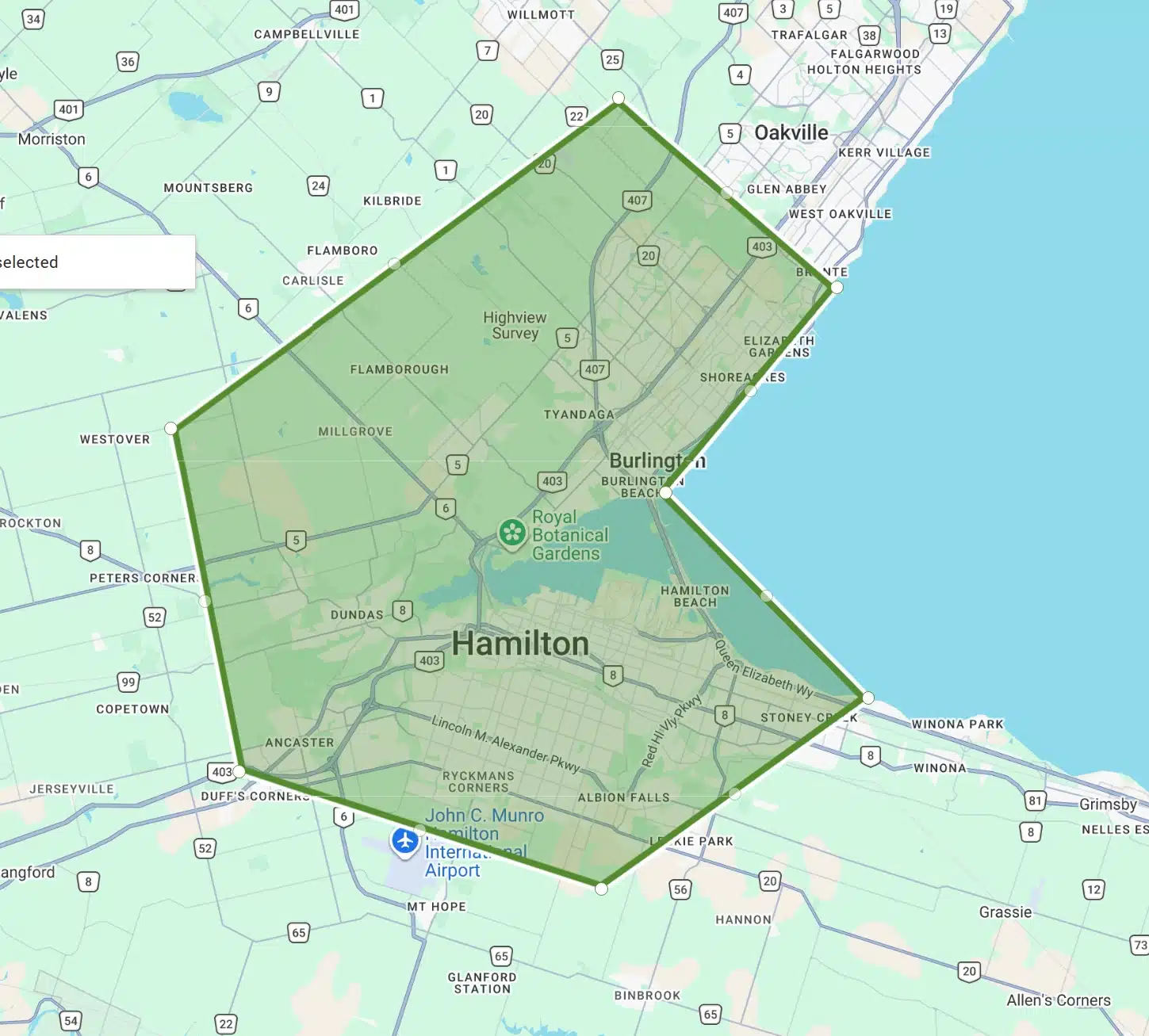
Property managers, condominium corporations, and commercial business owners across Hamilton, Burlington, Oakville, and the Greater Toronto Area benefit from this precision approach. professional property maintenance contractors who understand Ontario's climate, soil chemistry, and turf physiology eliminate the guesswork that leaves lawns vulnerable to decline. Lynden Lawn Care brings this expertise to every client, whether a residential homeowner seeking a healthier lawn or a facility manager overseeing extensive grounds.
If your lawn or commercial property needs a turf health assessment or a customized maintenance program, reach out to discuss your specific needs. Lynden Lawn Care is here to partner with you on a strategy that delivers consistent, detail-oriented results year-round.
Frequently Asked Questions
What is the best time to improve lawn health in Ontario?
Fall, from late August through October, is the optimal window because cool-season grasses prioritize root development over leaf growth. Spring ranks second for overseeding and recovery. However, lawn health is a year-round commitment-spring aeration, summer irrigation management, and winter snow removal all contribute to overall turf vitality.
How often should I aerate my lawn in Hamilton?
Residential lawns benefit from aeration once every 2-3 years, or annually if soil compaction is severe or traffic is heavy. Commercial properties and condominium grounds typically need aeration annually to maintain soil structure and turf density. The best timing is late summer or early spring when soil moisture is adequate.
What fertilizer should I use to improve lawn health in Oakville?
Choose a slow-release, balanced fertilizer matched to your soil test results. Spring applications typically use a 3-1-2 or similar ratio to support growth; fall applications use higher phosphorus and potassium ratios (1-2-3) to strengthen roots before winter. Always follow soil analysis recommendations rather than generic formulations.
How much water does an Ontario lawn need during summer?
Most cool-season lawns need 1 to 1.5 inches of water per week, including rainfall. Apply water early in the morning to reduce evaporation and disease pressure. Adjust frequency based on rainfall and soil moisture; sandy soils may need more frequent, lighter irrigation than clay soils.
Can I improve lawn health on my own, or should I hire a professional?
Small residential lawns can improve with consistent mowing, proper irrigation, and basic fertilizer applications. However, soil testing, aeration, disease management, and synchronized seasonal timing require expertise that professional property maintenance contractors provide. Commercial properties and larger residential estates benefit significantly from professional turf care programs.
Our Services
Property Maintenance
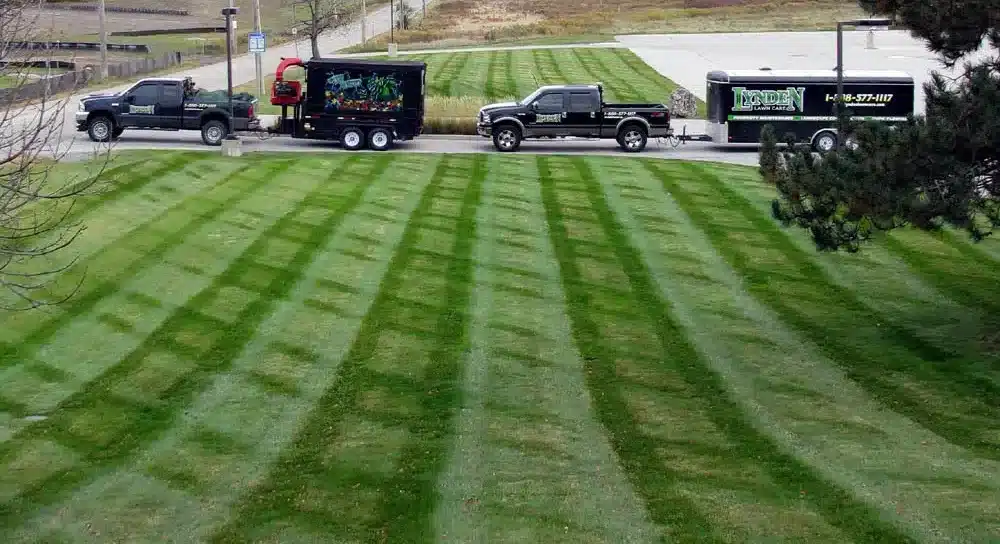
Specializing in full-service property maintenance, we offer lawn mowing, garden care, seasonal cleanups, and comprehensive landscape upkeep. Our commitment to communication, consistency and detail ensures your property maintains a polished, professional appearance in every season.
Landscape Enhancements
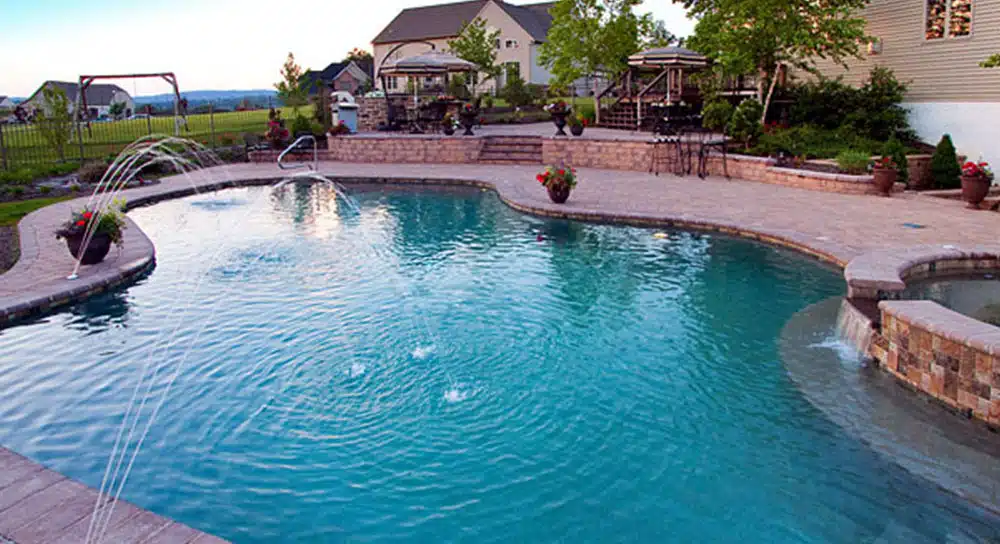
Our landscape enhancement services are designed to complement ongoing property maintenance by adding value and visual appeal. Whether it’s refreshing garden beds, installing mulch, or new garden bed design, we focus on

Snow & Ice Management
Ensure your property remains safe and fully accessible during winter with our comprehensive snow and ice management services. From precise plowing to strategic de-icing applications, our team proactively monitors conditions and responds quickly to maintain a clean, safe, and professional environment.
What Our Customers Are Saying!

Contact Us
If you would like a quote or to speak with someone about your lawn care and/or snow removal needs please call or fill out the quote below and we will get back to as soon as possible.
Contact
Service Area
OFFICE ADDRESS
(Inside Al’s Lawnmower)
1421 Grahams Lane
Burlington, ON Canada
L7S 1W4
PHONE
MAILING ADDRESS
PO Box 1390
Waterdown, ON Canada
L0R 2H0