
Lynden Lawn Care
20 Years of landscaping experience.
Welcome to Lynden Lawn Care
Lynden Lawn Care has been serving residential and commercial clients for over 20 years with dependable landscaping and property maintenance services. Built on real-world experience and a strong work ethic, the company takes pride in delivering consistent results and paying attention to the details that matter. Their team continues to provide reliable lawn care, landscape services, and seasonal upkeep to ensure every property stays well-maintained throughout the year.

Lawn Fertilization Near Me Hamilton
Lawn fertilization in Hamilton is the process of applying nutrient-rich products to your turf to promote healthy growth, color, and density throughout the season. Homeowners and property managers across Hamilton, Burlington, and Oakville depend on proper fertilization to maintain thick, resilient grass that withstands our climate and heavy use. This guide walks you through the steps Lynden Lawn Care uses to deliver results, so you understand what professional-grade turf care involves and why it matters for your property.
Step 1: Test Your Soil Before Applying Any Fertilizer
Before you buy a single bag of fertilizer, collect soil samples from several spots across your lawn using a clean spade or soil probe. Mix these samples together in a clean bucket, then submit them to a local agricultural extension service or qualified soil testing lab. The test will reveal your soil's pH, nutrient levels (nitrogen, phosphorus, potassium), and organic matter content. This data is the foundation of every fertilization decision Lynden Lawn Care makes, because applying the wrong product wastes money and can damage your turf.
In Hamilton's clay-heavy soils and variable moisture patterns, knowing your baseline is essential. A soil test typically costs between thirty and sixty dollars and takes one to two weeks to return. Armed with those results, you will know exactly what your lawn needs and in what quantities, rather than guessing or following a generic schedule.
Step 2: Choose the Right Fertilizer Formula for Your Results
Fertilizer packages display three numbers (for example, 10-10-10 or 16-4-8) representing the percentage of nitrogen, phosphorus, and potassium by weight. Nitrogen drives leaf growth and color; phosphorus supports root development; potassium builds plant strength and disease resistance. For most Hamilton residential lawns, a balanced or nitrogen-rich formula works best during the growing season, while a lower-nitrogen, higher-potassium product suits fall applications to prepare turf for winter dormancy.
You have two main product types: synthetic granular fertilizers, which release nutrients quickly and are easy to apply with a spreader, and organic or slow-release options, which break down gradually and improve soil structure over time. Lynden Lawn Care often recommends a combination approach throughout the year to match seasonal demand. Choose a product suited to your soil test results and your lawn's visible condition, never the cheapest option on the shelf.
Step 3: Determine the Right Application Rate and Timing
Your soil test report and the fertilizer bag label will both specify application rates in pounds per thousand square feet. Measure your lawn's area in square feet, then calculate how much product you need. Applying too much fertilizer burns grass, wastes money, and can pollute groundwater; too little delivers no benefit. In Hamilton's climate, most lawns benefit from two to four applications spread across the growing season, typically starting in spring as temperatures warm and finishing in early fall.
Proper timing and rate matter more than frequency. One well-timed, correctly measured application beats three guesses.
Avoid fertilizing when rain is forecast within 24 hours or when your lawn is actively stressed by drought or heat. Early morning applications allow time for the product to settle before mowing. Check your local Hamilton guidelines, as some communities have restrictions on nitrogen application timing to protect water quality.
Step 4: Apply Fertilizer Using the Right Equipment and Technique
Granular fertilizer spreads evenly using either a broadcast spreader (ideal for larger lawns) or a drop spreader (better for precision near beds and walkways). Fill your spreader on a driveway or hard surface, never on the lawn, to avoid double-dosing. Set the spreader to the rate recommended on the bag, then push it in straight, slightly overlapping passes to ensure complete coverage. Walk at a steady pace; rushing or slowing down changes the application density and creates visible stripes or sparse patches.
Water your lawn lightly after application if rain is not expected within 48 hours. This helps granules settle into the soil and activates nutrient release. If you are applying liquid or spray fertilizer, follow the dilution rate on the label and apply with a backpack or hose-end sprayer, moving steadily to avoid puddling. Never apply fertilizer to hard surfaces like driveways or patios, and sweep or rinse any spills immediately to prevent runoff and pollution.
Step 5: Monitor Your Lawn and Adjust Future Applications
Within two to three weeks, you should see improved color, denser growth, and stronger shoot development. Take photos of your lawn before and after each application so you can track progress and spot any problems. If your lawn shows signs of burning (brown or bleached patches), reduce the application rate next time. If growth is slower than expected despite correct application, consider a soil retest or consult a professional to rule out other issues like soil compaction, poor drainage, or pest damage.
Keep detailed records of what you applied, when, and at what rate. This history helps you refine your program year after year and makes it easy to share information with a professional property maintenance service if you decide to hand off this task. Lynden Lawn Care uses this exact approach when managing professional property maintenance across Hamilton and the surrounding region, adjusting recommendations based on weather, turf response, and long-term goals.
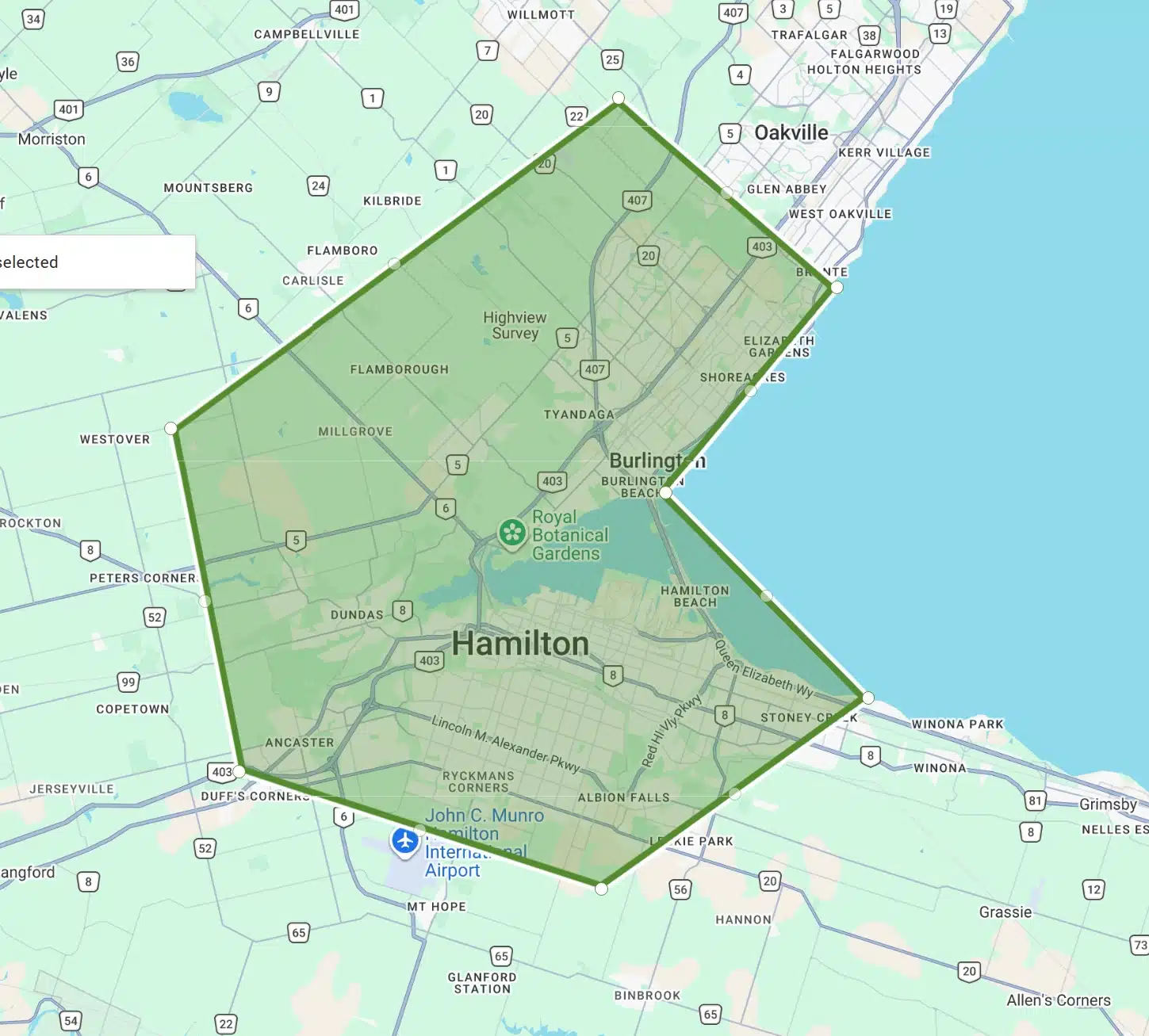
Lawn fertilization in Hamilton is not a one-size-fits-all task. Every property has different soil, drainage, sun exposure, and usage patterns. If you prefer expert guidance tailored to your specific lawn, Lynden Lawn Care is here to help. We have spent over twenty years building expertise in turf care and seasonal maintenance for residential and commercial clients throughout Hamilton, Burlington, and Oakville. Get in touch to discuss your lawn's needs and discover how professional fertilization can transform your property year-round.
Frequently Asked Questions
What is the best time to fertilize a lawn in Hamilton?
In Hamilton, apply fertilizer in spring once soil temperature reaches 55 degrees Fahrenheit consistently, then in early summer and early fall. Fall applications are especially important because they strengthen turf for winter dormancy. Avoid heavy nitrogen applications in late summer, as this can encourage tender new growth vulnerable to frost damage.
How much does lawn fertilization cost in Hamilton?
The cost depends on lawn size, product type, and whether you apply it yourself or hire a professional. DIY granular fertilizer costs thirty to eighty dollars per application. Professional service pricing varies by company and property size; contact Lynden Lawn Care for a custom quote based on your specific lawn and maintenance goals.
Can I fertilize my lawn during a drought?
No. Do not apply fertilizer to stressed, dry turf because it can burn the grass and the plant cannot absorb nutrients efficiently without adequate moisture. Wait for rainfall or water your lawn deeply before fertilizing. If drought persists, consider waiting until conditions improve rather than risking turf damage.
What happens if I apply too much fertilizer?
Excess fertilizer burns grass, turning it brown or bleached, and wastes money. It also increases disease risk and nutrient runoff that harms water quality. Always follow the rate on your product label and your soil test recommendation. When in doubt, apply less; you can always fertilize again next season.
Is organic fertilizer better than synthetic for lawns in Hamilton?
Both have merits. Synthetic granular fertilizers release nutrients quickly and are easy to apply; organic products improve soil structure and release slowly. Many professionals, including Lynden Lawn Care, use both types strategically throughout the year to balance quick greening with long-term soil health and sustainability.
Do I need a soil test before fertilizing my lawn?
Yes, strongly recommended. A soil test reveals your lawn's pH and nutrient levels, so you apply only what your turf actually needs. This saves money, prevents over-application, and delivers better results. Testing costs thirty to sixty dollars and provides data valid for two to three years.
How often should I fertilize my lawn near Hamilton?
Most Hamilton lawns benefit from two to four applications per year: spring, early summer, and fall are typical. The exact schedule depends on your soil test results, grass type, and lawn use. Lynden Lawn Care tailors fertilization programs to individual properties rather than applying a generic calendar to all clients.
Our Services
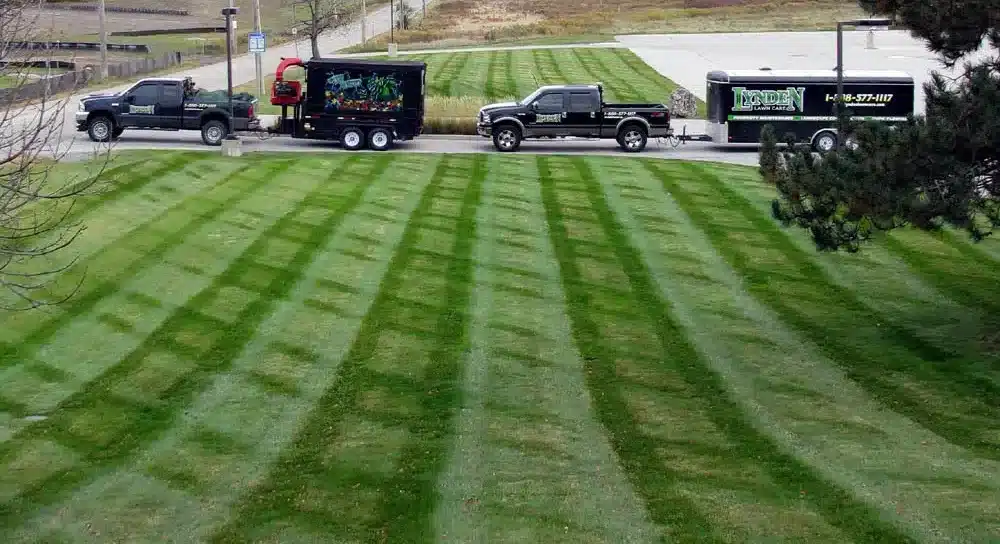
Property Maintenance
Specializing in full-service property maintenance, we offer lawn mowing, garden care, seasonal cleanups, and comprehensive landscape upkeep. Our commitment to communication, consistency and detail ensures your property maintains a polished, professional appearance in every season.
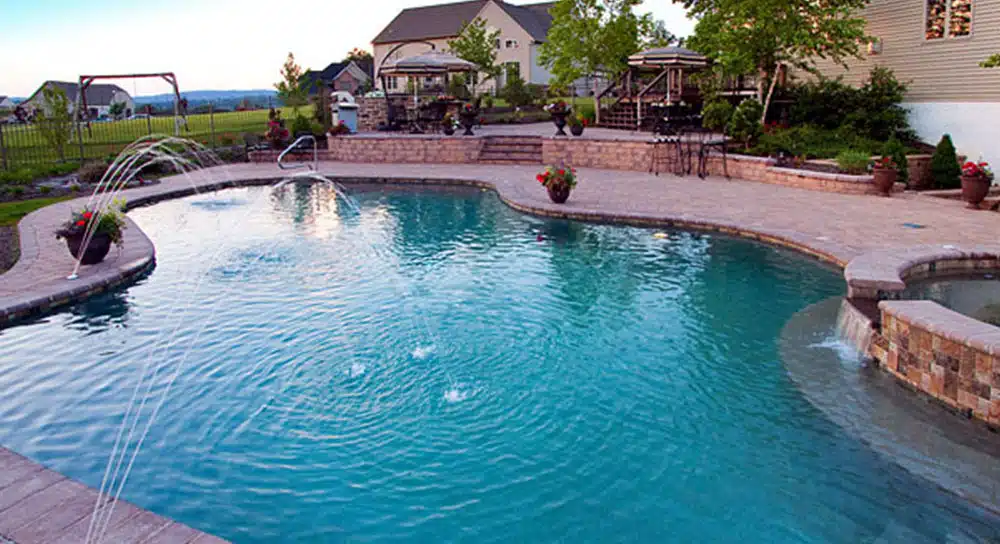
Landscape Enhancements
Our landscape enhancement services are designed to complement ongoing property maintenance by adding value and visual appeal. Whether it’s refreshing garden beds, installing mulch, or new garden bed design, we focus on
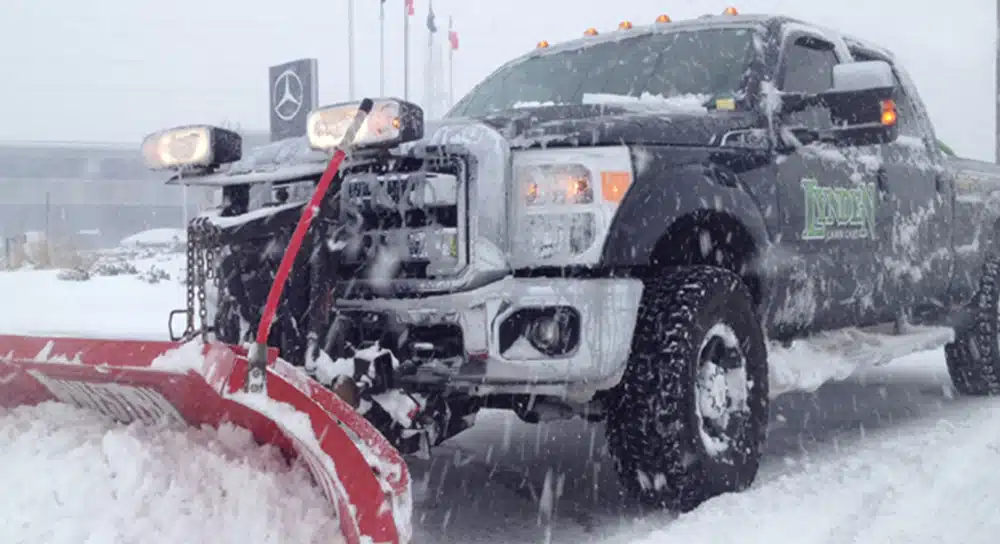
Snow & Ice Management
Ensure your property remains safe and fully accessible during winter with our comprehensive snow and ice management services. From precise plowing to strategic de-icing applications, our team proactively monitors conditions and responds quickly to maintain a clean, safe, and professional environment.
What Our Customers Are Saying!

Contact Us
If you would like a quote or to speak with someone about your lawn care and/or snow removal needs please call or fill out the quote below and we will get back to as soon as possible.
Contact
Service Area
OFFICE ADDRESS
(Inside Al’s Lawnmower)
1421 Grahams Lane
Burlington, ON Canada
L7S 1W4
PHONE
MAILING ADDRESS
PO Box 1390
Waterdown, ON Canada
L0R 2H0