
Lynden Lawn Care
20 Years of landscaping experience.
Welcome to Lynden Lawn Care
Lynden Lawn Care has been serving residential and commercial clients for over 20 years with dependable landscaping and property maintenance services. Built on real-world experience and a strong work ethic, the company takes pride in delivering consistent results and paying attention to the details that matter. Their team continues to provide reliable lawn care, landscape services, and seasonal upkeep to ensure every property stays well-maintained throughout the year.
Lawn Fertilization Vs Lawn Treatment Ontario
Understanding the difference between lawn fertilization and lawn treatment is essential for maintaining a healthy, attractive property across Ontario. While the terms are sometimes used interchangeably, they address different lawn needs and require different approaches. Lynden Lawn Care has spent over 20 years helping residential homeowners and commercial property owners in Hamilton, Burlington, and Oakville understand these distinctions so they can make informed decisions about their grounds.
This guide walks you through the key differences between these services, when each one is appropriate, and how to determine which your lawn actually needs. By the end, you'll have the knowledge to discuss your lawn's specific situation with confidence.
Step 1: Understand What Lawn Fertilization Does
Lawn fertilization is the process of adding nutrients directly to your soil to feed grass plants and promote healthy growth. Think of fertilizer as food for your lawn. Grass requires three primary nutrients to thrive: nitrogen, phosphorus, and potassium. These are often listed on fertilizer packages as an NPK ratio-for example, 20-5-10 means the product contains 20% nitrogen, 5% phosphorus, and 10% potassium. When your soil lacks these essential nutrients, grass becomes thin, pale, and slow-growing, no matter how often you mow or water.
Lynden Lawn Care applies turf care and fertilizer treatments tailored to the specific needs of lawns across Hamilton and the Greater Toronto Area. A soil test reveals which nutrients your lawn is missing, and a professional can recommend the right fertilizer type-granular, liquid, or slow-release-and the correct timing for application. In Ontario, spring and fall are typically the best windows for fertilization because cool-season grasses absorb nutrients most efficiently during these periods.
Step 2: Understand What Lawn Treatment Addresses
Lawn treatment refers to targeted applications designed to solve specific problems rather than feed the grass overall. These problems include weeds, disease, insect infestations, moss, or soil compaction. If your lawn is being invaded by dandelions and clover, you need a weed control treatment. If brown patches appear in summer, you may need a disease treatment. If you see grubs or chinch bugs damaging grass in late summer, you need an insect treatment. Lawn treatment is about identifying the problem and applying the right solution to eliminate it.
The key distinction: fertilization adds nutrients; treatment removes obstacles to growth. Your grass might be well-fed but still struggling because weeds are stealing water and light, or disease is killing the plants outright. This is where lawn treatment becomes necessary. Lynden Lawn Care's landscape enhancement and turf care services include diagnosing these problems and applying treatments appropriate to Ontario's climate and soil conditions, whether you're managing a single residential property in Burlington or a multi-unit commercial property in Oakville.
Step 3: Assess Your Lawn's Current Condition
Walk your property and look for visible signs of what your lawn actually needs. Pale, slow-growing grass with no obvious weeds or bare patches usually indicates a nutrient deficiency-a fertilization job. Thick patches of weeds, bare spots, discolored or thinning areas, visible insects, or a spongy moss layer suggest lawn treatment is the priority. Some lawns need both, but identifying the primary problem first helps you spend money efficiently.
Take photos from different angles and note the season. Is your lawn struggling in spring, mid-summer heat, or fall? Timing matters because some treatments work better in specific seasons. If you're uncertain, professional property maintenance experts like those at Lynden Lawn Care can perform a site assessment and recommend a plan. Many property managers and condominium corporations in the Hamilton region rely on this diagnostic step before committing to a service schedule.
Step 4: Determine the Right Service for Your Situation
Use this framework to choose: If your grass is growing but looks pale, weak, or thin, and soil tests show low nutrient levels, fertilization is your answer. If your grass is being crowded out by weeds, diseased, infested with insects, or matted with thatch and moss, treatment is the priority. In many cases, both services work together-you treat the problem first (kill the weeds, control the disease), then fertilize to help the grass recover and fill in bare spots.
The sequence matters. Applying fertilizer to a lawn full of weeds is inefficient because the weeds will benefit as much as the grass. Treating a severely nutrient-depleted lawn might not produce results if the grass lacks the basic nutrition to recover. Lynden Lawn Care's approach to full-service property maintenance across Hamilton and the Greater Toronto Area includes building a customized plan that sequences these services in the order your lawn actually needs them. Whether you manage commercial grounds or maintain a home, this coordinated approach delivers better results than reactive, one-off applications.
Step 5: Plan Your Service Schedule and Frequency
Lawn fertilization typically happens two to four times per year in Ontario, depending on your grass type and soil. Cool-season grasses (which dominate the region) benefit most from applications in early spring and fall, when growth rates peak. Some properties also benefit from a light summer application and a fall boost to prepare for winter dormancy.
Lawn treatments vary by problem. Weed control may be needed in spring and early summer, and again in fall if perennial weeds return. Disease and insect treatments are usually applied when symptoms appear-mid to late summer for many common Ontario pests. Snow and ice management, a critical service for Hamilton winters, is entirely seasonal. Lynden Lawn Care coordinates these services so your property receives consistent, year-round care without gaps or overlaps. For residential homeowners and commercial property owners alike, knowing your schedule in advance reduces stress and ensures your grounds stay professional and well-maintained.
If you're managing multiple properties or a large commercial site, working with a dedicated property maintenance provider means one team tracks your calendar, prepares materials, and communicates progress. This reliability-knowing services arrive on schedule and are performed to a consistent standard-is what separates professional grounds care from occasional DIY efforts.
Whether you need lawn fertilization, targeted treatment for a specific problem, or both, the best path forward starts with a clear understanding of what your lawn actually requires. Lynden Lawn Care has built a reputation across Hamilton, Burlington, and Oakville by listening carefully to what property managers, business owners, and homeowners need, then delivering results that speak for themselves. If you'd like to discuss your property's needs and explore how professional turf care and fertilizer application or targeted treatments could improve your grounds, we'd be glad to hear from you. Reach out to learn more about services tailored to your situation. Lawn fertilization adds nutrients (nitrogen, phosphorus, potassium) to feed grass plants and promote growth. Lawn treatment targets specific problems like weeds, disease, insects, or moss that prevent healthy growth. Fertilization is nutrition; treatment is problem-solving. Both may be necessary depending on your lawn's condition. Most Hamilton lawns benefit from two to four fertilizer applications per year. Spring and fall are ideal because cool-season grasses grow most vigorously in cooler weather. Some properties also benefit from a light summer application and a fall boost before winter. A soil test helps determine your lawn's specific nutrient needs and the right schedule. If your lawn is pale and slow-growing but has no visible weeds or bare patches, it likely needs fertilization. If you see thick weeds, bare spots, discoloration, thinning grass, insects, or moss, lawn treatment is the priority. Many Oakville properties benefit from treatment first (to remove the problem) followed by fertilization to help grass recover and fill in damaged areas.Frequently Asked Questions
What's the difference between lawn fertilization and lawn treatment in Ontario?
How often should I fertilize my lawn in Hamilton?
How do I know if my lawn needs treatment or just fertilizer in Oakville?
Our Services
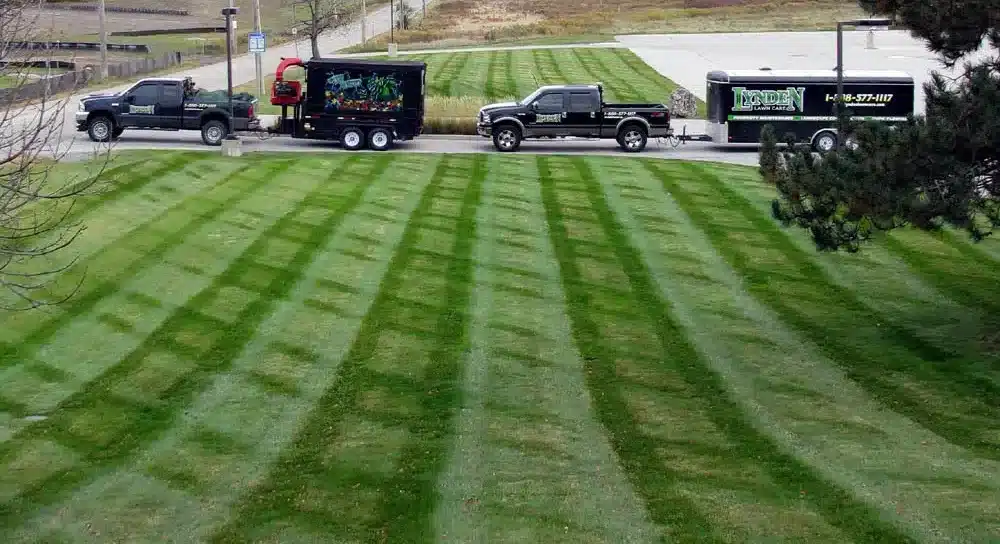
Property Maintenance
Specializing in full-service property maintenance, we offer lawn mowing, garden care, seasonal cleanups, and comprehensive landscape upkeep. Our commitment to communication, consistency and detail ensures your property maintains a polished, professional appearance in every season.
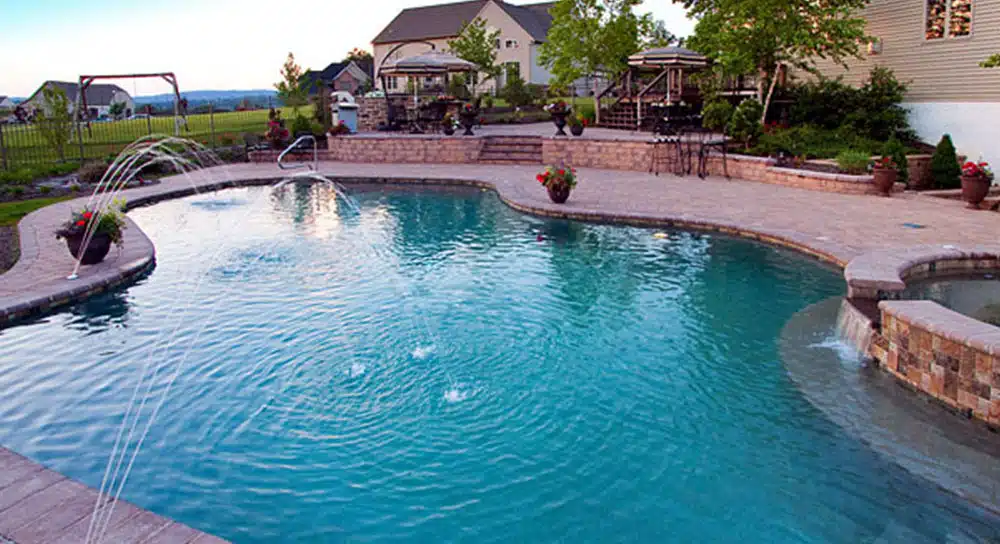
Landscape Enhancements
Our landscape enhancement services are designed to complement ongoing property maintenance by adding value and visual appeal. Whether it’s refreshing garden beds, installing mulch, or new garden bed design, we focus on
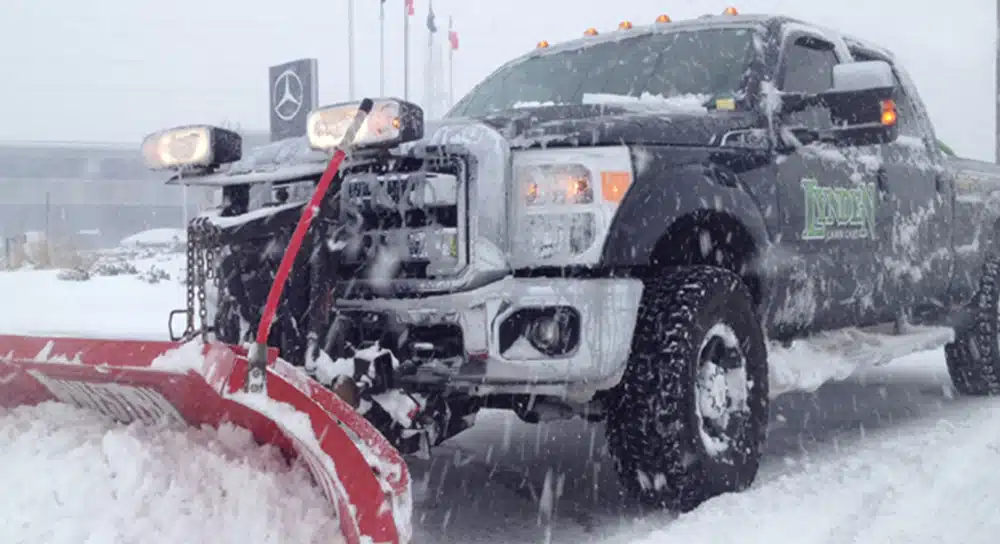
Snow & Ice Management
Ensure your property remains safe and fully accessible during winter with our comprehensive snow and ice management services. From precise plowing to strategic de-icing applications, our team proactively monitors conditions and responds quickly to maintain a clean, safe, and professional environment.
What Our Customers Are Saying!

Contact Us
If you would like a quote or to speak with someone about your lawn care and/or snow removal needs please call or fill out the quote below and we will get back to as soon as possible.
Contact
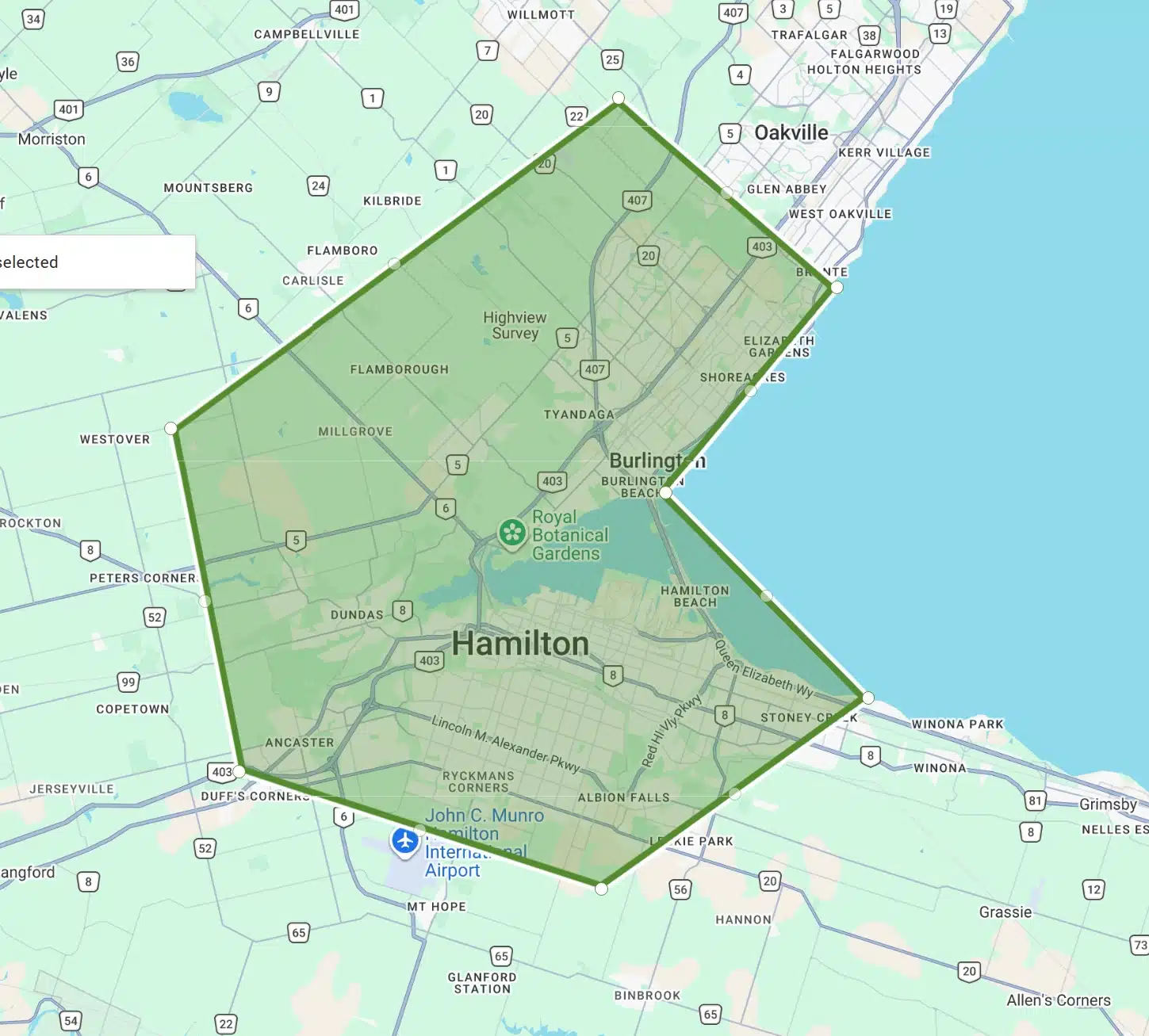
Service Area
OFFICE ADDRESS
(Inside Al’s Lawnmower)
1421 Grahams Lane
Burlington, ON Canada
L7S 1W4
PHONE
MAILING ADDRESS
PO Box 1390
Waterdown, ON Canada
L0R 2H0