
Lynden Lawn Care
20 Years of landscaping experience.
Welcome to Lynden Lawn Care
Lynden Lawn Care has been serving residential and commercial clients for over 20 years with dependable landscaping and property maintenance services. Built on real-world experience and a strong work ethic, the company takes pride in delivering consistent results and paying attention to the details that matter. Their team continues to provide reliable lawn care, landscape services, and seasonal upkeep to ensure every property stays well-maintained throughout the year.

Low Water Landscaping Hamilton Ontario
Low water landscaping in Hamilton Ontario is the practice of designing and maintaining outdoor spaces that thrive with minimal irrigation, using drought-tolerant plants, efficient soil management, and strategic hardscaping to reduce water consumption while maintaining aesthetic appeal and property value.
Homeowners and property managers across Hamilton, Burlington, and Oakville increasingly recognize that water-efficient landscaping isn't a compromise on appearance-it's a deliberate design strategy that lowers operating costs, reduces environmental impact, and creates landscapes that perform well through dry seasons without constant supplemental watering. Lynden Lawn Care has spent over twenty years helping residential and commercial clients throughout the Greater Toronto Area implement this approach, combining horticultural knowledge with practical site analysis to deliver landscapes that stay healthy year-round.
Why is low water landscaping becoming standard in Hamilton?
Water restrictions and conservation initiatives have become routine across Ontario municipalities, and Hamilton is no exception. Property managers responsible for commercial grounds and condominium corporations face both regulatory pressure and operational costs tied to irrigation. Residential homeowners simply prefer landscapes that don't demand daily attention during summer months. Because low water landscaping reduces dependency on irrigation systems and their associated energy and maintenance costs, it has evolved from a niche environmental choice into a practical business and home management decision.
Lynden Lawn Care approaches this by conducting a thorough site assessment-evaluating soil composition, drainage patterns, sun exposure, and existing vegetation-before recommending species and design modifications. This technical groundwork ensures that water-efficient landscapes actually function as designed rather than failing because the wrong plants were placed in unsuitable conditions.
What plants and materials work best for low water landscaping in Hamilton?
Drought-tolerant plant selection depends on Hamilton's USDA hardiness zone and local soil pH, typically ranging from 6.5 to 7.5 in most residential and commercial areas. Native and adapted species such as Black-eyed Susan, Coneflower, Sedums, Russian Sage, and ornamental grasses like Feather Reed Grass establish deeper root systems and require significantly less supplemental water than traditional turf or hybrid ornamentals once established.
Hardscape elements-decorative stone, gravel mulch, permeable pavers, and rock gardens-serve dual functions: they reduce the total area requiring irrigation while improving drainage and moderating soil temperature. Mulch depth of 3 to 4 inches over planting beds retains soil moisture and suppresses weeds, further lowering maintenance demands. Lynden Lawn Care integrates these materials thoughtfully into landscape designs so that the overall composition appears intentional and cohesive rather than sparse or industrial.
How does soil preparation support low water landscaping?
Soil structure and organic content directly determine how efficiently landscape plants use available water. Sandy soils drain too quickly and don't retain moisture; clay-heavy soils compact and shed water. Lynden Lawn Care evaluates soil composition and amends it with compost or organic matter to create a loamy texture that holds moisture without waterlogging roots. This amendment process typically occurs during initial landscape installation or renovation, creating a foundation that allows plants to access water more efficiently throughout the growing season.
In Hamilton and surrounding areas, incorporating 2 to 3 inches of compost into the top 8 to 10 inches of existing soil represents a standard approach. This improves water-holding capacity by 25 to 50 percent depending on starting conditions, meaning plants require less frequent irrigation while remaining healthy. For commercial properties and condominiums, this foundational work is often the difference between a landscape that demands constant attention and one that operates with minimal intervention.
What irrigation methods complement low water landscaping?
When supplemental watering is necessary-particularly during establishment or extended dry periods-drip irrigation and soaker hoses deliver water directly to plant root zones, reducing waste through evaporation and surface runoff by 30 to 50 percent compared to overhead sprinklers. Drip systems also allow precise control: different zones can receive different water schedules based on plant type, sun exposure, and soil conditions.
Lynden Lawn Care designs irrigation systems that work with the landscape rather than against it. Deep, infrequent watering encourages deeper root development and drought resilience; shallow, frequent watering creates weak root systems dependent on constant moisture. For commercial property maintenance across Hamilton and the Greater Toronto Area, this distinction translates directly to reduced water bills and fewer service calls during peak summer demand.
Smart controllers with soil moisture sensors represent an additional layer of efficiency, adjusting watering schedules based on recent rainfall and temperature. This technology prevents unnecessary irrigation after rain events and during cooler periods when evaporation slows.
How do seasonal changes affect low water landscaping maintenance?
Low water landscapes still require seasonal attention, though the intensity differs from conventional turf-based designs. Spring involves mulch renewal, perennial cutback, and any necessary pruning of established shrubs. Summer focuses on monitoring establishment-phase plants and adjusting irrigation as needed. Fall includes deadheading, soil testing, and preparation for winter. Winter maintenance for commercial properties in Hamilton may involve snow and ice management around hardscape elements and protective measures for susceptible plantings.
Because low water landscapes rely on plant health and structural elements rather than high-input turf care, Lynden Lawn Care's approach emphasizes proactive monitoring and targeted intervention. This differs markedly from residential lawn care focused on weekly mowing and constant fertilizer application-it's a fundamentally different maintenance philosophy that aligns with professional property maintenance standards.
If your residential or commercial property in Hamilton, Burlington, or Oakville would benefit from a landscape design that reduces water use, lowers maintenance costs, and performs reliably through dry seasons, Lynden Lawn Care is ready to discuss your specific site conditions and goals. Contact us to learn how low water landscaping can work for your property.
Frequently Asked Questions
How much water can low water landscaping save compared to traditional lawns?
Well-designed low water landscapes can reduce irrigation by 50 to 75 percent compared to conventional turf. Native plants and drought-tolerant species require minimal supplemental watering once established, especially when combined with drip irrigation and proper soil preparation.
Is low water landscaping suitable for commercial properties in Hamilton?
Yes. Commercial property maintenance teams across Hamilton benefit significantly from low water designs because they reduce irrigation costs, lower labor demands for turf care, and improve property aesthetics year-round. Condo corporations and business owners particularly value the reduced operational expense.
How long does it take for low water plants to become established?
Most drought-tolerant plants require 1 to 2 growing seasons to develop deep root systems and achieve full drought resilience. During establishment, supplemental watering may be necessary, particularly during dry spells. Lynden Lawn Care manages this phase to ensure successful transition to minimal-input maintenance.
Can I convert an existing lawn to low water landscaping?
Yes. Existing lawns can be transitioned through phased removal or smothering, followed by soil amendment and replanting with low water species. The process takes time but is fully feasible for both residential and commercial properties.
What is the cost difference between low water landscaping and traditional landscaping in Hamilton?
Initial installation costs may be comparable, but low water landscapes deliver lower operating expenses through reduced water, fertilizer, and labor demands over time. The payback period typically ranges from 3 to 5 years for commercial properties depending on current irrigation practices.
Do I need a professional to design low water landscaping?
Professional design ensures that plant selection, soil preparation, and irrigation strategy align with your specific site conditions, local climate, and maintenance capacity. Lynden Lawn Care's technical assessment prevents costly mistakes and ensures long-term success.
How does low water landscaping perform during Hamilton winters?
Hardy perennials and native plants adapted to Ontario's climate are naturally suited to winter conditions. Hardscape elements like stone and mulch require no special winter care. Lynden Lawn Care's full-service approach includes seasonal property maintenance and snow management to keep low water landscapes protected year-round.
Our Services
Property Maintenance
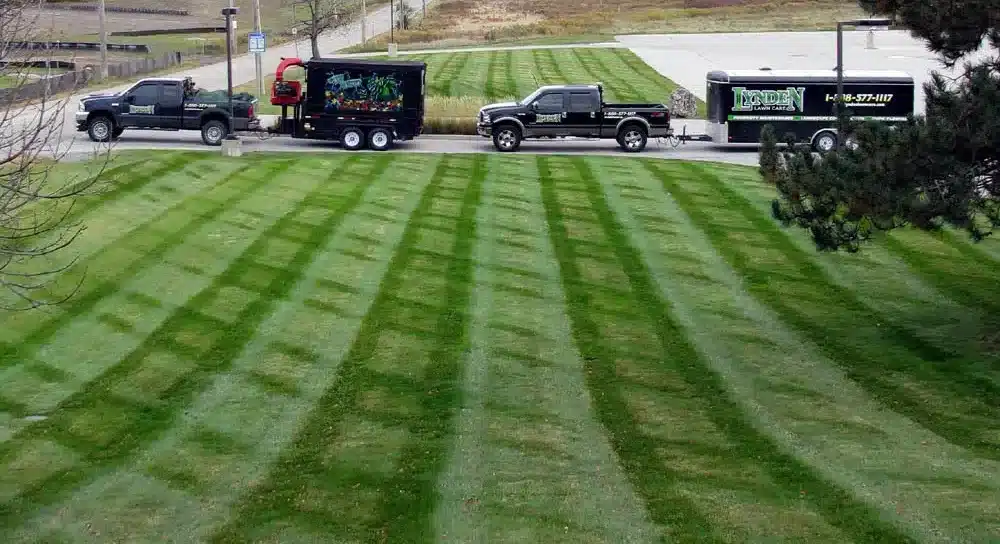
Specializing in full-service property maintenance, we offer lawn mowing, garden care, seasonal cleanups, and comprehensive landscape upkeep. Our commitment to communication, consistency and detail ensures your property maintains a polished, professional appearance in every season.
Landscape Enhancements
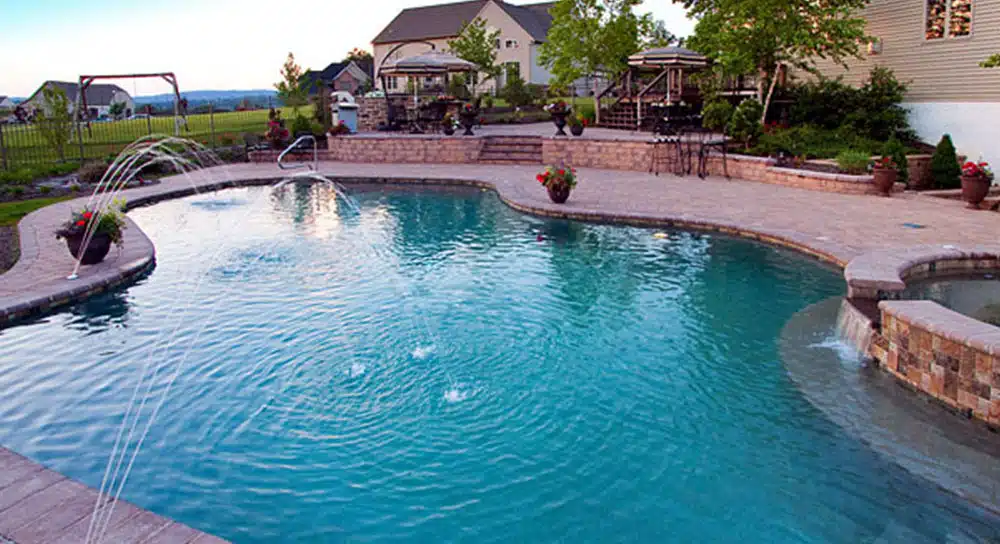
Our landscape enhancement services are designed to complement ongoing property maintenance by adding value and visual appeal. Whether it’s refreshing garden beds, installing mulch, or new garden bed design, we focus on
Snow & Ice Management
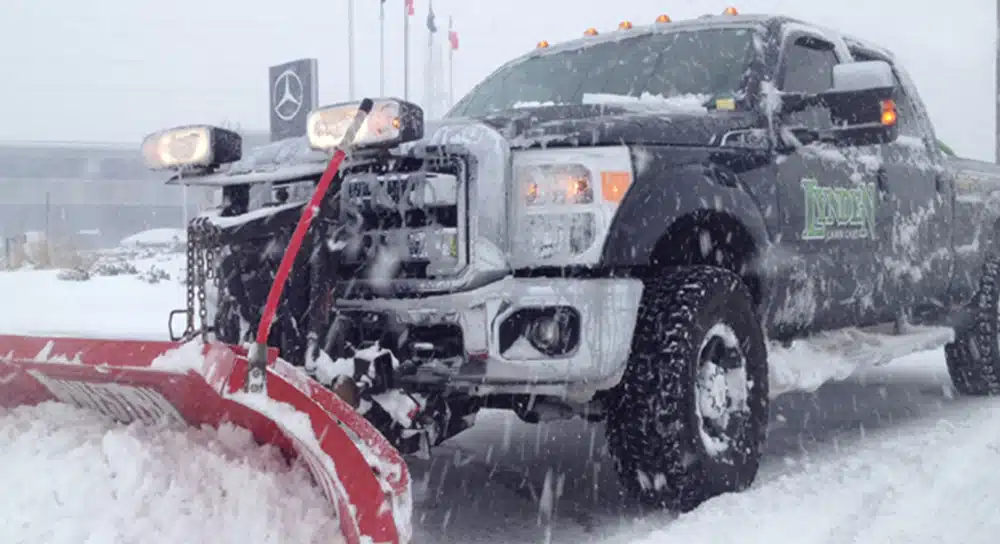
Ensure your property remains safe and fully accessible during winter with our comprehensive snow and ice management services. From precise plowing to strategic de-icing applications, our team proactively monitors conditions and responds quickly to maintain a clean, safe, and professional environment.
What Our Customers Are Saying!

Contact Us
If you would like a quote or to speak with someone about your lawn care and/or snow removal needs please call or fill out the quote below and we will get back to as soon as possible.
Contact
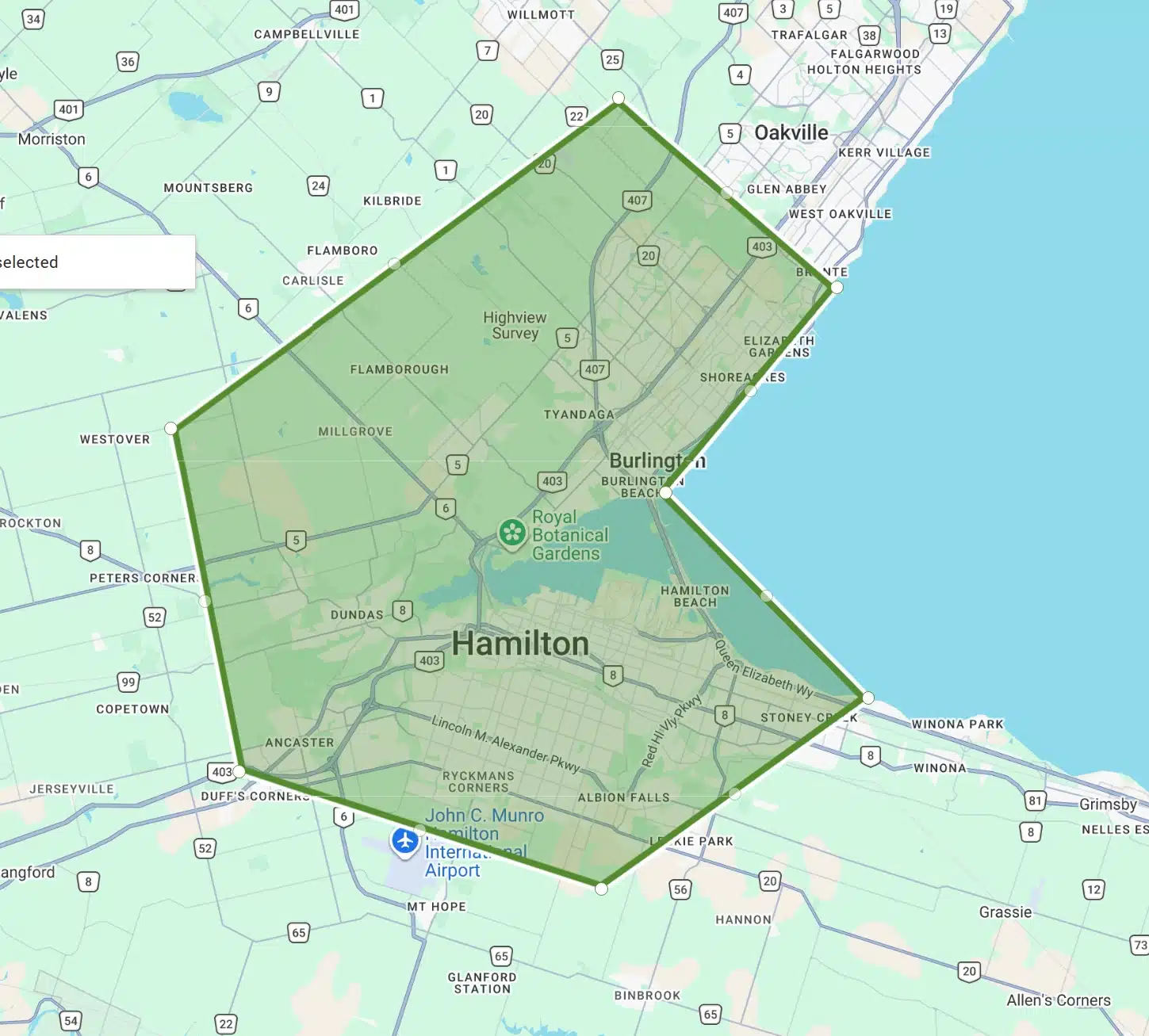
Service Area
OFFICE ADDRESS
(Inside Al’s Lawnmower)
1421 Grahams Lane
Burlington, ON Canada
L7S 1W4
PHONE
MAILING ADDRESS
PO Box 1390
Waterdown, ON Canada
L0R 2H0