
Lynden Lawn Care
20 Years of landscaping experience.
Welcome to Lynden Lawn Care
Lynden Lawn Care has been serving residential and commercial clients for over 20 years with dependable landscaping and property maintenance services. Built on real-world experience and a strong work ethic, the company takes pride in delivering consistent results and paying attention to the details that matter. Their team continues to provide reliable lawn care, landscape services, and seasonal upkeep to ensure every property stays well-maintained throughout the year.

Residential Lawn Care Hamilton
Residential lawn care in Hamilton means keeping your property healthy, green, and well-maintained throughout the year-and it starts with understanding what your lawn actually needs. Hamilton's climate, with its warm summers and cold winters, demands a thoughtful approach that shifts with the seasons. Whether you're a new homeowner or looking to improve your outdoor space, Lynden Lawn Care has guided countless property owners through the essential steps to achieve lawns they're proud of.
This guide walks you through the core practices that make the difference between a lawn that simply exists and one that thrives. You'll learn when to act, what to watch for, and how to set your property up for success year-round. By the end, you'll have a clear roadmap for residential lawn care in Hamilton that you can adapt to your own schedule and goals.
1. Assess Your Lawn and Soil Condition in Early Spring
Before you do anything else, take time to really look at what you're working with. Walk your lawn in early spring after the snow has melted and the ground has begun to thaw. Look for bare patches, compacted areas where grass seems thin or sparse, and any spots where water pools instead of draining. These observations tell you a story: bare patches might signal poor soil nutrition or heavy foot traffic, compaction means roots can't breathe, and pooling water suggests drainage problems that need addressing.
Once you've identified trouble spots, test your soil if you haven't done so recently. Soil testing reveals pH level (acidity or alkalinity), nutrient content, and organic matter-all critical information. Many soils in the Hamilton area tend toward neutral to slightly alkaline, which affects which nutrients your grass can actually use, even if they're present. You can order an inexpensive soil test through local agricultural extension services, and the results guide everything that follows. If your lawn looks healthy overall with just minor thin areas, you're ready to move forward. If you see significant damage or poor drainage, professional assessment by a property maintenance specialist may save you time and money.
2. Clear Debris and De-thatch if Necessary
Once the soil is ready to work with, remove winter debris: branches, leaves, and any accumulated material that smothers the grass beneath. Use a rake or leaf blower to expose the lawn surface. As you rake, you're also breaking up thatch-that brownish, felt-like layer of dead grass and organic matter that sits between living grass and the soil. A small amount of thatch is actually protective, but too much blocks water and nutrients from reaching roots, just like a heavy blanket prevents air from reaching your skin.
If thatch is more than half an inch thick, consider dethatching in spring or fall when the grass is actively growing and can recover quickly. Dethatching can be aggressive, so many Hamilton homeowners prefer to have professionals handle it; the equipment is specialized, and the timing matters. If thatch is minimal, skip this step and move to aeration instead. Lynden Lawn Care often handles both thatch removal and aeration as part of spring property maintenance, ensuring the foundation is solid before the growing season accelerates.
3. Aerate Your Lawn to Relieve Soil Compaction
Aeration is the process of creating small holes in the soil to allow air, water, and nutrients to penetrate deeper where grass roots live. Over time, soil becomes compacted from foot traffic, mulching mowers, and natural settling-especially in Hamilton's suburban neighborhoods where lawns take heavy use. Compacted soil is like concrete for roots: even if you apply fertilizer, it can't reach where it needs to go.
Spring and fall are the best times to aerate in Hamilton, when soil moisture is moderate and grass is growing vigorously. You can rent an aerator or hire a professional; aerators work by pulling small plugs of soil to the surface (these are called "cores") and leaving them there to break down and return nutrients to the lawn. One aeration pass is usually sufficient, though heavily trafficked areas may benefit from a second pass perpendicular to the first. After aeration, your lawn looks a bit rough for a week or two, but the improvement in grass health over the following weeks is substantial.
4. Apply Turf Care and Fertilizer at the Right Times
Grass needs three primary nutrients to thrive: nitrogen (which promotes green, leafy growth), phosphorus (which strengthens roots), and potassium (which builds disease resistance). The numbers on any fertilizer package-for example, 10-5-5-represent the percentage of each nutrient in order. Your soil test tells you which nutrients your lawn is lacking. In many Hamilton soils, nitrogen and potassium are the limiting factors, while phosphorus is often adequate.
Timing and frequency matter more than most homeowners realize. Apply a slow-release fertilizer in early spring to support new growth as temperatures warm, then again in late spring or early summer to sustain vigor through heat. Avoid heavy nitrogen application in late summer; it encourages tender new growth that doesn't harden off before winter. In fall, a balanced or potassium-rich application prepares your lawn for dormancy and winter stress. Most Hamilton lawns benefit from three to four applications per year, spaced about six to eight weeks apart. Lynden Lawn Care handles turf care and fertilizer application using products and timing matched to your specific soil and lawn goals, taking the guesswork out of feeding your grass.
5. Establish a Regular Mowing and Watering Schedule
Mowing sounds simple, but technique makes a real difference. Set your mower blade to a height of 2.5 to 3.5 inches for most cool-season grasses grown in Hamilton; taller grass shades soil, reducing water loss and blocking weeds from establishing. Never remove more than one-third of the blade length in a single mowing-cutting shorter stresses the plant and invites disease. Mow when the grass is dry to prevent clumping and disease transmission. During active growth in spring and early summer, you may mow weekly; in heat or drought, growth slows and weekly mowing may be unnecessary.
Watering in Hamilton can be tricky because rainfall varies significantly. Rather than watering on a fixed schedule, water deeply but infrequently when the top inch of soil becomes dry. Deep watering encourages roots to grow deeper, making the lawn more resilient to heat and drought. Light, frequent watering keeps roots shallow and weak. Early morning is the best time to water-before 9 a.m.-because foliage dries quickly, reducing disease risk. In most years, Hamilton receives adequate rainfall during spring and fall, so supplemental watering is most critical in mid-summer. If you're unsure whether to water, wait a day and reassess; overwatering is more common than underwatering and causes more problems.
6. Monitor for Weeds, Pests, and Disease Throughout the Season
A healthy, well-maintained lawn crowds out most weeds naturally, but vigilance matters. Walk your lawn every few weeks during the growing season and pull any weeds you spot, especially in spring before they set seed. Common Hamilton weeds include dandelions, plantain, and creeping Charlie. If weeds cover more than 5 to 10 percent of your lawn, spot treatment or targeted application may be more practical than pulling, though timing is important-most weeds are easiest to treat in spring or fall when they're actively growing.
Pests like grubs and disease like brown patch or dollar spot are also more likely to take hold in stressed lawns. By following the steps above-aerating, fertilizing properly, and mowing at the right height-you're already building resistance. If you notice unusual patches, discoloration, or a sudden die-off, take a photo and consult a professional property maintenance specialist early. Early intervention is far less costly than trying to recover a heavily damaged lawn. Lynden Lawn Care monitors for these issues as part of ongoing residential property maintenance and can recommend targeted treatment if needed.
7. Prepare Your Lawn for Fall and Winter
In late summer and early fall, shift your focus to hardening off your lawn for winter stress. This means applying a fall fertilizer rich in potassium (the third number in the nutrient ratio) around late August through September. Potassium strengthens cell walls and improves cold tolerance, so your grass enters dormancy better able to survive freeze-thaw cycles and snow cover. Continue mowing until growth slows and grass reaches dormancy, typically around October in the Hamilton area, but reduce frequency as temperatures cool.
Rake leaves in fall to prevent them from forming a mat that smothers the grass underneath; however, leaving some leaf debris or mulching leaves with a mower returns valuable organic matter to your soil. Clear any debris and branches before the first heavy snow. If your property is in an area prone to snow and ice, consider planning ahead with a professional property maintenance company for winter management. Snow removal and de-icing, when done correctly, prevent damage to grass and turf beneath. Lynden Lawn Care coordinates snow and ice management with fall lawn prep to ensure a smooth transition and protect your investment year-round.
8. Review and Adjust Your Plan Each Year
No two years are identical. Rainfall, temperature patterns, and soil conditions shift, and your lawn's needs will shift with them. At the end of each growing season, reflect on what worked and what didn't. Did your lawn green up quickly in spring? Did it hold color through summer heat? Were certain areas perpetually weak? Keep simple notes or photos to track trends. This information becomes invaluable when you're planning the next season or discussing your lawn's needs with a professional.
Many Hamilton homeowners find that working with an experienced property maintenance provider saves both time and money in the long run. Consistent, knowledgeable care prevents small problems from becoming expensive ones. Whether you manage your lawn yourself or partner with professionals, the key is regular attention, informed decisions, and a willingness to adjust based on results.
Caring for your lawn is a long-term commitment, and it's one that pays dividends in curb appeal, property value, and your own enjoyment of your outdoor space. If you'd like guidance tailored to your specific lawn and property, or if you'd prefer to leave the work to experienced professionals, Lynden Lawn Care is here to help. Reach out to discuss your residential lawn care needs and discover how we can keep your Hamilton property looking its best throughout the year.
Frequently Asked Questions
How often should I fertilize my lawn in Hamilton?
Most Hamilton lawns benefit from three to four fertilizer applications per year: early spring to support new growth, late spring or early summer for sustained vigor, mid-summer if soil tests indicate need, and fall with a potassium-rich blend to prepare for winter dormancy. Timing depends on your soil test results and grass response, so adjust based on what you observe.
What's the best time to aerate my lawn in Hamilton?
Spring and fall are ideal for aeration in Hamilton, when soil moisture is moderate and cool-season grasses are actively growing. Aerating in spring (April to May) prepares the lawn for summer stress, while fall aeration (September to October) strengthens the root system before winter. Avoid aerating in summer heat or when soil is bone-dry.
Why is my lawn thin and patchy in Hamilton, and can it be fixed?
Thin or patchy lawns usually result from soil compaction, poor drainage, insufficient nutrient, or shade from trees. Start by testing your soil and assessing sunlight; then aerate to relieve compaction and apply targeted fertilizer based on test results. Most thin lawns recover within one to two growing seasons with consistent care, though severe damage may require reseeding or professional intervention.
How much water does my lawn need during Hamilton summers?
Rather than following a fixed schedule, water deeply but infrequently when the top inch of soil is dry-typically one to two inches per week depending on rainfall and temperature. Water early in the morning before 9 a.m. to reduce disease risk. Most Hamilton lawns need supplemental watering only in mid-summer; spring and fall usually receive adequate rainfall.
Our Services
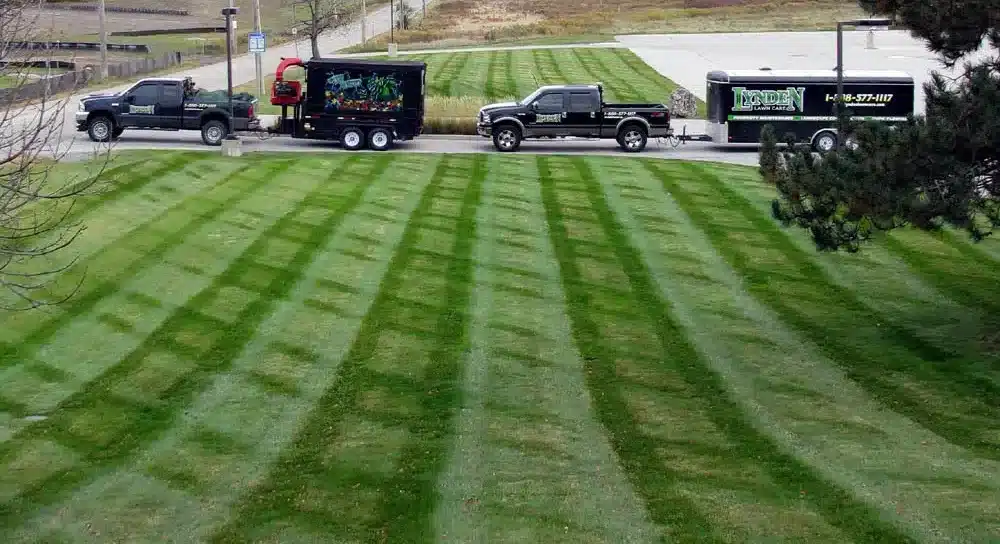
Property Maintenance
Specializing in full-service property maintenance, we offer lawn mowing, garden care, seasonal cleanups, and comprehensive landscape upkeep. Our commitment to communication, consistency and detail ensures your property maintains a polished, professional appearance in every season.
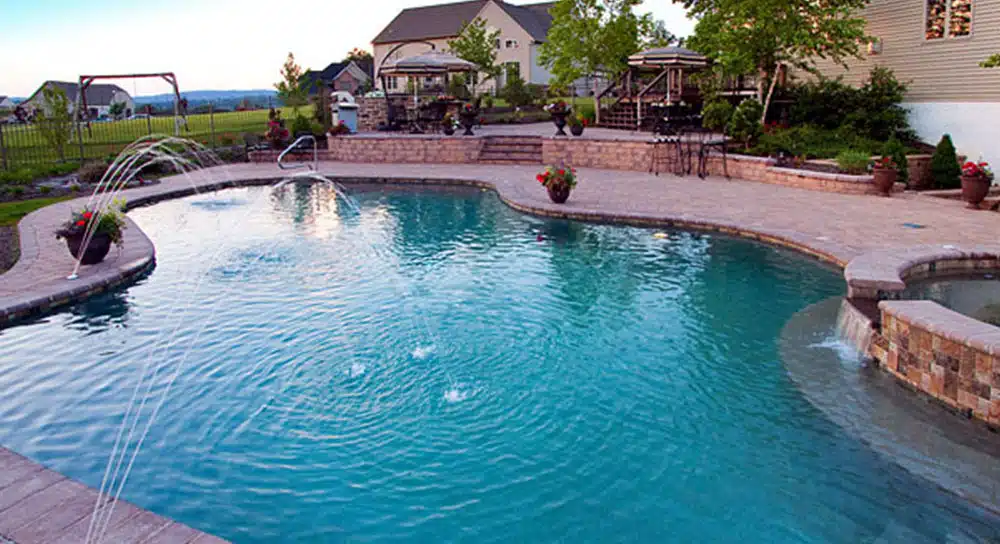
Landscape Enhancements
Our landscape enhancement services are designed to complement ongoing property maintenance by adding value and visual appeal. Whether it’s refreshing garden beds, installing mulch, or new garden bed design, we focus on

Snow & Ice Management
Ensure your property remains safe and fully accessible during winter with our comprehensive snow and ice management services. From precise plowing to strategic de-icing applications, our team proactively monitors conditions and responds quickly to maintain a clean, safe, and professional environment.
What Our Customers Are Saying!

Contact Us
If you would like a quote or to speak with someone about your lawn care and/or snow removal needs please call or fill out the quote below and we will get back to as soon as possible.
Contact
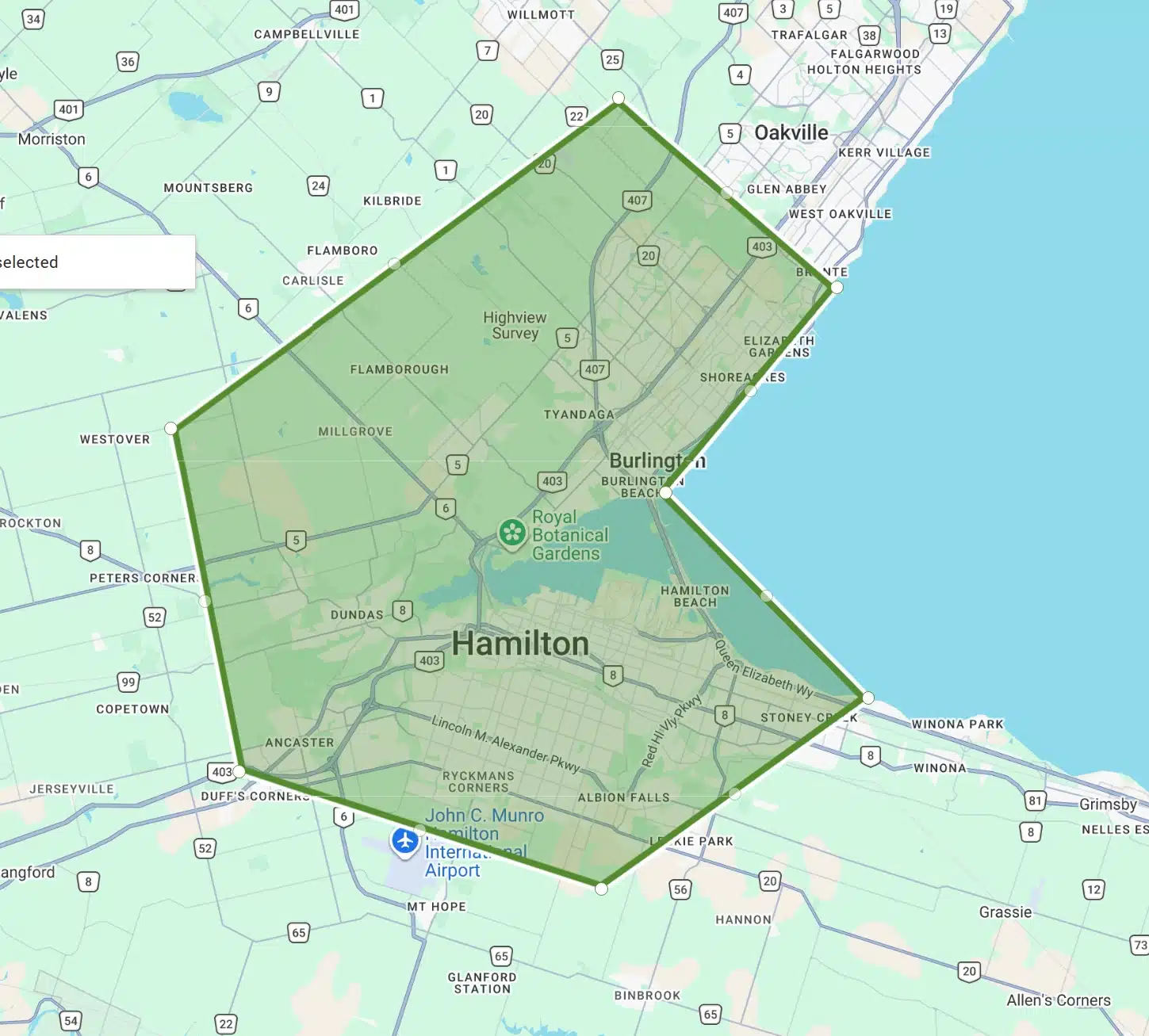
Service Area
OFFICE ADDRESS
(Inside Al’s Lawnmower)
1421 Grahams Lane
Burlington, ON Canada
L7S 1W4
PHONE
MAILING ADDRESS
PO Box 1390
Waterdown, ON Canada
L0R 2H0