
Lynden Lawn Care
20 Years of landscaping experience.
Welcome to Lynden Lawn Care
Lynden Lawn Care has been serving residential and commercial clients for over 20 years with dependable landscaping and property maintenance services. Built on real-world experience and a strong work ethic, the company takes pride in delivering consistent results and paying attention to the details that matter. Their team continues to provide reliable lawn care, landscape services, and seasonal upkeep to ensure every property stays well-maintained throughout the year.

Residential Turf Care Hamilton
Maintaining healthy grass requires a structured approach tailored to Hamilton's climate and soil conditions. Residential turf care in Hamilton involves soil assessment, seasonal feeding, aeration, overseeding, and pest management-each step essential to building resilient lawn health. Lynden Lawn Care has spent over two decades refining these methods for Hamilton, Burlington, and Oakville homeowners, and this guide walks you through the process so you understand what professional residential turf care Hamilton involves and why each stage matters.
By following these steps, you'll know what to expect from a quality service provider and gain insight into the year-round commitment required to maintain vibrant turf. Whether you plan to manage some tasks yourself or partner with a professional, this framework shows the full scope of the work.
1. Test Your Soil and Identify Deficiencies
Before any fertilizer application or turf care strategy can succeed, you need to understand what your soil lacks. A soil test reveals pH level, nutrient content (nitrogen, phosphorus, potassium), and organic matter. Hamilton's soils vary significantly across neighborhoods-some areas naturally lean acidic, others alkaline-and this affects which nutrients your grass can absorb. A simple test kit from a garden center provides basic data, but a laboratory soil analysis gives the most accurate picture and costs between $30-60.
Once you have results, you'll know whether your soil needs lime to raise pH, sulfur to lower it, or specific nutrient amendments. This prevents wasted money on products your lawn doesn't need and ensures every application works. Lynden Lawn Care's turf care and fertilizer application service begins here, using soil data to build a customized feeding schedule rather than applying a one-size-fits-all program.
2. Establish a Spring Cleanup and Aeration Schedule
Spring arrives in Hamilton with winter debris-dead leaves, thatch buildup, and compacted soil from snow and foot traffic. Aeration removes soil compaction by punching small holes, allowing air, water, and nutrients to reach grass roots. This step is non-negotiable; compacted soil chokes roots and invites disease. Aeration is best done in spring (late April through May in Hamilton) or fall, when soil moisture is adequate and stress on the grass is minimal.
During spring cleanup, rake out dead vegetation, remove any visible debris, and mark areas where grass failed to recover-these are candidate spots for overseeding. If your lawn shows heavy thatch (more than half an inch of dead grass fiber), dethatch before aerating. A core aerator rents for $50-100 per day if you choose to do it yourself, but timing and soil conditions matter; too dry and the machine bounces across the surface, too wet and it compacts soil further. Professional application ensures the job is done when conditions are right.
3. Overseed Thin or Bare Areas
Overseeding fills gaps where grass never established or died out during the previous season. This step should follow aeration, because loosened soil makes better seed-to-soil contact. Choose a seed blend matched to Hamilton's growing zone and your lawn's light conditions-sunny lawns tolerate different varieties than shaded areas under trees. Most of Hamilton's residential properties benefit from a mix designed for cool-season climates, with varieties like perennial ryegrass and fine fescue.
Apply seed at the rate recommended on the package (typically 4-6 pounds per 1,000 square feet for overseeding), keep soil consistently moist for 2-3 weeks as seedlings emerge, and avoid foot traffic during establishment. Overseeding in spring gives seed 6 months to establish before winter; fall overseeding (late August through September) works equally well in Hamilton and may face less competition from weeds. Lynden Lawn Care times overseeding and fertilizer application together so new seedlings have immediate access to nutrients.
4. Apply Fertilizer on a Seasonal Schedule
Healthy turf needs feeding at different rates throughout the year. In Hamilton, a four-step fertilizer program works well: spring application (May) to support new growth, early summer application (June) for color and density, late summer application (August) to strengthen roots before dormancy, and fall application (September or October) to promote winter hardiness. Each application should be based on your soil test results rather than a calendar alone-if your soil already contains excess nitrogen, over-applying will encourage thatch buildup and disease.
The key principle is matching nutrient ratios to seasonal grass needs. Spring and early summer favor higher nitrogen to build leaf tissue; late summer and fall shift to phosphorus and potassium to strengthen roots and cold tolerance. A lawn with balanced fertility shows fewer weeds, denser growth, and better disease resistance. Professional turf care and fertilizer application uses granular or liquid products applied at precise rates; over-application wastes money and harms the lawn, while under-application leaves grass weak and thin. Lynden Lawn Care's residential property maintenance approach ensures each application is timed and dosed correctly for Hamilton's growing season.
5. Monitor for Pests and Manage Issues Early
Even well-maintained lawns in Hamilton can develop pest problems-grubs, chinch bugs, sod webworms, and disease fungi thrive in our humid summers. Regular inspection catches problems before they spread. Walk your lawn in mid-summer and look for patches of wilting or yellowing grass that don't improve with watering, irregular brown patches, or signs of insect activity. Early detection makes treatment simpler and cheaper.
If you find evidence of grubs (white larvae in the soil beneath dead patches), treatment in late July or August when grubs are active and near the surface is most effective. For fungal disease, which spreads in warm, wet conditions common in Hamilton summers, improve air circulation by pruning tree branches over the lawn and ensure proper drainage. Avoid applying fungicide as a preventive; use it only when disease is actively present. Most lawn problems can be prevented through proper watering (deep, infrequent rather than shallow and frequent), adequate feeding, and timely aeration and overseeding. Lynden Lawn Care's year-round residential property maintenance includes monitoring and early intervention, catching issues before homeowners notice them.
Professional residential turf care Hamilton combines these five steps into a reliable program matched to your lawn's specific needs and your home's location within Hamilton, Burlington, or Oakville. Rather than guessing at timing and products, working with Lynden Lawn Care means your turf receives expert assessment, proper application, and ongoing attention through every season. If you'd like to discuss how these practices apply to your property, reach out and describe what you're seeing in your lawn-we'll help you understand the path forward.
Frequently Asked Questions
How often should I aerate my lawn in Hamilton?
Most Hamilton lawns benefit from aeration once per year, ideally in spring or fall when soil moisture is adequate. If your lawn experiences heavy foot traffic, has compacted clay soil, or shows poor drainage and thin patches, twice-yearly aeration (spring and fall) may be worthwhile. Aeration opens compacted soil so air, water, and nutrients reach grass roots.
What is the best time to overseed a lawn in Hamilton?
Both spring (late April through May) and fall (late August through September) work well for overseeding in Hamilton. Fall overseeding often succeeds better because it avoids summer heat stress and weed competition, and gives seed 6-7 months to establish before the next winter. Choose whichever fits your schedule, but avoid overseeding during hot, dry spells.
How much does residential turf care cost in Hamilton?
Costs vary based on lawn size, soil condition, and the specific services you choose. A soil test costs $30-60, aeration typically runs $100-300 depending on square footage, and fertilizer application costs are based on lawn size and product type. Professional assessment from Lynden Lawn Care begins with a site visit so you receive an accurate estimate for your property's unique needs.
Can I overseed and fertilize at the same time?
Yes. Applying a starter fertilizer formulated for new seed at the time of overseeding gives seedlings an immediate nutrient boost, which speeds establishment. Use a low-nitrogen product to avoid encouraging weeds; the typical ratio is higher phosphorus to support root development.
What causes bare patches in Hamilton lawns and how do I fix them?
Bare patches result from compacted soil, poor drainage, disease, insect damage, or heavy foot traffic. Before overseeding, identify and correct the underlying cause. If soil is compacted, aerate. If drainage is poor, improve grading or consider raised beds. If disease is present, improve air circulation. Once the cause is addressed, aerate the spot and overseed with appropriate varieties for your lawn's light conditions.
Our Services
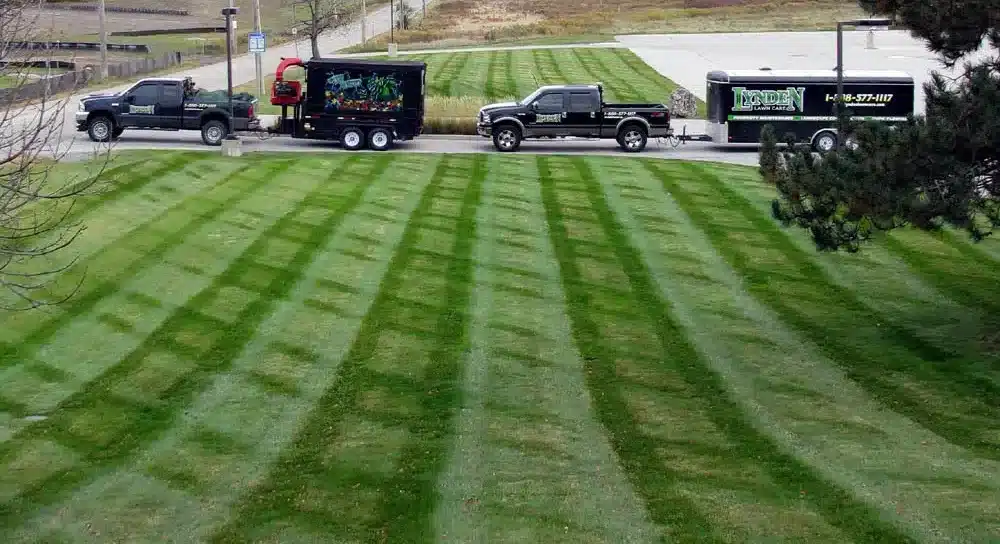
Property Maintenance
Specializing in full-service property maintenance, we offer lawn mowing, garden care, seasonal cleanups, and comprehensive landscape upkeep. Our commitment to communication, consistency and detail ensures your property maintains a polished, professional appearance in every season.
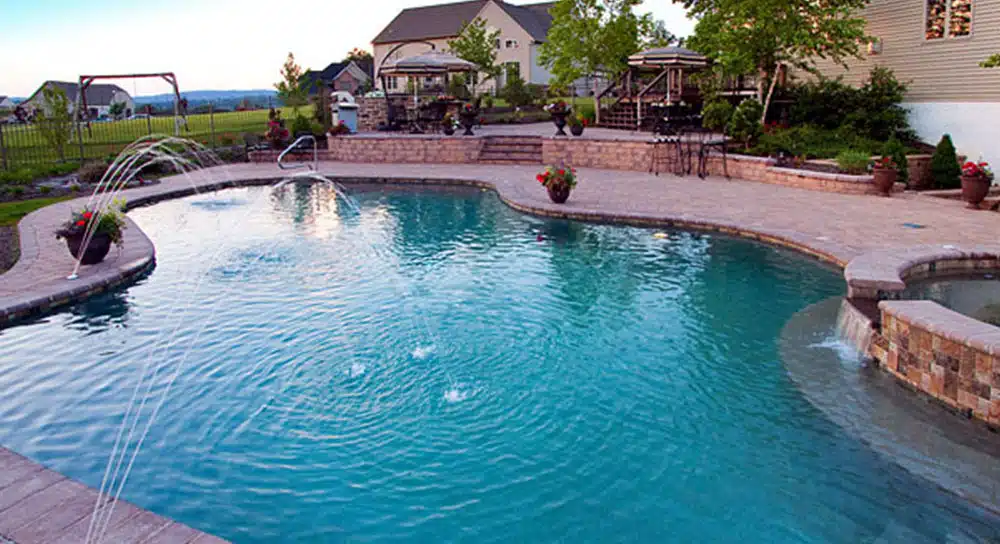
Landscape Enhancements
Our landscape enhancement services are designed to complement ongoing property maintenance by adding value and visual appeal. Whether it’s refreshing garden beds, installing mulch, or new garden bed design, we focus on

Snow & Ice Management
Ensure your property remains safe and fully accessible during winter with our comprehensive snow and ice management services. From precise plowing to strategic de-icing applications, our team proactively monitors conditions and responds quickly to maintain a clean, safe, and professional environment.
What Our Customers Are Saying!

Contact Us
If you would like a quote or to speak with someone about your lawn care and/or snow removal needs please call or fill out the quote below and we will get back to as soon as possible.
Contact
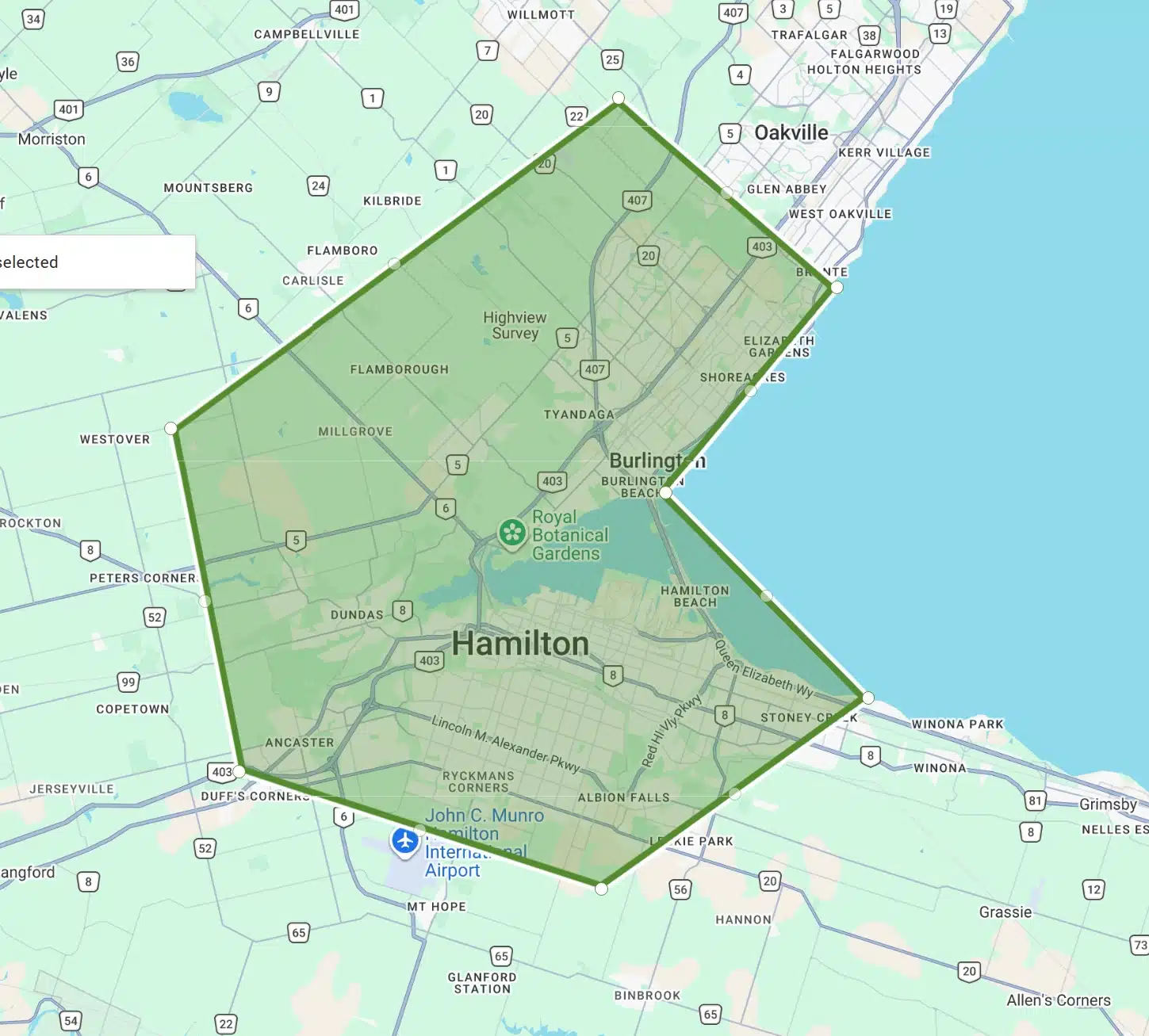
Service Area
OFFICE ADDRESS
(Inside Al’s Lawnmower)
1421 Grahams Lane
Burlington, ON Canada
L7S 1W4
PHONE
MAILING ADDRESS
PO Box 1390
Waterdown, ON Canada
L0R 2H0