
Lynden Lawn Care
20 Years of landscaping experience.
Welcome to Lynden Lawn Care
Lynden Lawn Care has been serving residential and commercial clients for over 20 years with dependable landscaping and property maintenance services. Built on real-world experience and a strong work ethic, the company takes pride in delivering consistent results and paying attention to the details that matter. Their team continues to provide reliable lawn care, landscape services, and seasonal upkeep to ensure every property stays well-maintained throughout the year.

Shrub And Hedge Installation Hamilton
Shrub and hedge installation in Hamilton transforms bare landscapes into mature, structured green spaces that define property lines, provide privacy, and enhance curb appeal. Whether you're a homeowner in Oakville looking to screen your backyard or a commercial property manager in Burlington seeking professional plantings, the difference between a thriving hedge and one that struggles lies in proper installation technique. At Lynden Lawn Care, we have spent over 20 years perfecting the art of establishing shrubs and hedges across Hamilton and the Greater Toronto Area, and this guide distills that experience into actionable steps you can follow or trust to a professional.
By the end of this process, you will have either completed a successful installation yourself or gained the knowledge to oversee professional work with confidence. Well-installed shrubs and hedges establish quickly, require less maintenance down the road, and deliver the privacy and aesthetic value you expect from your investment.
Step 1: Assess Your Site and Choose the Right Plant Material
Before any digging begins, spend time observing your property. Note which areas receive full sun, partial shade, or full shade throughout the day. Walk the site during different times of day if possible. In Hamilton's climate, this matters because some popular hedge species thrive in one condition but struggle in another. Measure the space where your hedge will grow, and determine whether you need dense screening, a decorative accent, or a windbreak. Each purpose calls for different plant species and spacing.
Consult with a local nursery or landscape professional about species suited to Southern Ontario's climate and your specific microclimate. Cedar, boxwood, privet, and forsythia are common choices in the Hamilton area, each with different growth rates, mature heights, and seasonal appearances. Confirm soil drainage and pH in your planting zone before purchasing material. A site visit from an experienced installer like Lynden Lawn Care can save thousands of dollars by preventing poor plant selection that leads to failure or costly replacement.
Step 2: Prepare the Soil and Mark Your Planting Line
Once you have chosen your plant material, mark the exact line where your hedge will run using string, chalk, or spray paint. Use a level and measuring tape to ensure straight lines, or follow natural contours if that suits your design. Remove existing turf, weeds, and debris from this line to a depth of 8 to 12 inches, depending on the root system size of your chosen plants. In Hamilton's clay-heavy soils, this step is critical; compacted clay restricts root development and causes poor establishment.
Loosen the subsoil with a garden fork or small cultivator, breaking up hard layers without removing the soil entirely. Mix compost or well-aged bark mulch into the prepared bed at a ratio of one part organic matter to two or three parts native soil. This improves drainage in clay and increases water retention in sandier soils. Test the soil pH if your chosen plants have specific requirements. Most ornamental shrubs thrive in slightly acidic to neutral soil, with a pH between 6.0 and 7.0. Allow the prepared bed to settle for a few days before planting to prevent excessive settling after installation.
Step 3: Space and Dig Individual Plant Holes
Spacing determines whether your hedge fills in densely or remains open and airy. For most screening hedges in the Hamilton area, space plants 2 to 4 feet apart, depending on the mature width of your chosen species and how quickly you want full coverage. Closer spacing fills faster but costs more and may require earlier pruning to prevent overcrowding. Ask your supplier for mature dimensions, then work backward to calculate spacing.
Dig holes slightly wider than the root ball of each plant but no deeper than the soil line visible on the stem. A hole that is too deep causes the plant to settle and its crown to rot; a hole that is too shallow exposes roots to air and drying. Each hole should be wide enough that roots spread naturally without circling back on themselves. In clay-heavy soils around Burlington and Oakville, dig the hole slightly shallower and mound soil around it rather than digging deep, which can create a water trap in poorly drained conditions.
Step 4: Plant Each Shrub and Backfill Properly
Remove the shrub from its container and loosen the root ball gently by hand or with a soil knife if roots are tightly wound. Never force a root ball to fit a hole that is too small. Set the plant in the hole so that the top of the root ball sits level with or slightly above the surrounding grade. This prevents soil from settling over the crown. Backfill with the prepared soil mixture, pressing gently but firmly to eliminate air pockets. Do not tamp so hard that you compact the soil; moderate pressure is sufficient.
Backfill to the natural soil line on the stem, level with where the plant was growing in its container. Water immediately after backfilling to settle the soil and eliminate remaining air voids. This first watering is essential and often overlooked. In Hamilton's variable growing season, this step prevents root ball desiccation during establishment.
Step 5: Mulch and Establish a Watering Schedule
Apply 2 to 3 inches of wood mulch or bark chips around each plant, keeping the mulch 4 to 6 inches away from the stem to prevent rot and pest damage. Mulch retains soil moisture, moderates temperature, and reduces weed competition during the critical first growing season. In commercial property maintenance across Hamilton, consistent mulching is one of the highest-return investments in shrub establishment.
Water deeply and regularly for the first year after planting. During the growing season, newly planted shrubs need consistent moisture as they establish their root systems. In dry spells, water twice weekly if rainfall is absent. In cooler months, reduce frequency but do not abandon watering entirely; plants need moisture even in winter dormancy. Monitor soil moisture by feeling 2 to 3 inches below the surface; if it feels dry, water. After the first full growing season, established plants require less frequent but still regular irrigation, especially during extended dry periods. Most landscape enhancements in Hamilton benefit from a reliable irrigation schedule during establishment to ensure healthy, vigorous growth.
If you are planning shrub and hedge installation in Hamilton and prefer to focus on your business or property rather than managing installation yourself, Lynden Lawn Care handles every step of this process with the precision and care that our clients have come to expect. From site assessment and soil preparation through mulching and the first-season watering plan, we ensure your investment thrives. Reach out to discuss your project and how we can help your landscape reach its full potential.
Frequently Asked Questions
What is the best time of year to install shrubs and hedges in Hamilton?
Spring and fall are ideal for planting in the Hamilton area. Spring planting, after the last frost, gives plants the full growing season to establish roots before winter. Fall planting, from late August through October, allows root development during cooler months with less heat stress. Winter planting is possible in Southern Ontario but requires extra attention to watering since frozen ground prevents water uptake. Summer planting is generally avoided due to heat stress on new plants.
How much space should I leave between shrubs when installing a hedge?
Spacing typically ranges from 2 to 4 feet apart, depending on the mature width of your chosen species and your desired fill-in timeline. Closer spacing creates dense coverage faster but increases material and labor costs. Wider spacing is more economical initially but takes longer to fill in. Ask your nursery or installer for the mature width of your plant variety, then adjust spacing accordingly. For fast-growing species like cedar, 3 feet is common; for slower-growing boxwood, 2 to 2.5 feet may be better.
Do I need to amend soil for shrub and hedge installation in Hamilton?
Yes, especially in Hamilton, where native soils are often heavy clay. Mixing compost or aged bark mulch into the planting bed improves drainage and encourages root development. A ratio of one part organic matter to two or three parts native soil is standard. Testing soil pH before planting helps you choose plants suited to your conditions or adjust the soil to meet plant requirements. Proper soil preparation is one of the most important steps in ensuring long-term establishment.
How often should newly planted shrubs and hedges be watered in the first year?
Newly planted shrubs need consistent moisture during the first growing season. Water deeply twice weekly during dry spells when rainfall is absent, and weekly during normal conditions. Check soil moisture 2 to 3 inches below the surface; if it feels dry, water. Even in cooler months, established plants need periodic watering during dormancy. After the first full year, most plants become drought-tolerant once established, though they still benefit from regular irrigation during extended dry periods.
What shrub and hedge varieties grow best in the Burlington and Oakville area?
Cedar (arborvitae), boxwood, privet, and forsythia are well-suited to the Hamilton and Greater Toronto Area climate. Cedar is hardy, fast-growing, and excellent for screening. Boxwood is slower-growing but offers dense, formal appearance and year-round foliage. Privet tolerates pruning well and works for shaped hedges. The best choice depends on your sun exposure, soil drainage, and maintenance preferences. A professional consultation ensures you select varieties that will thrive in your specific microclimate.
Our Services
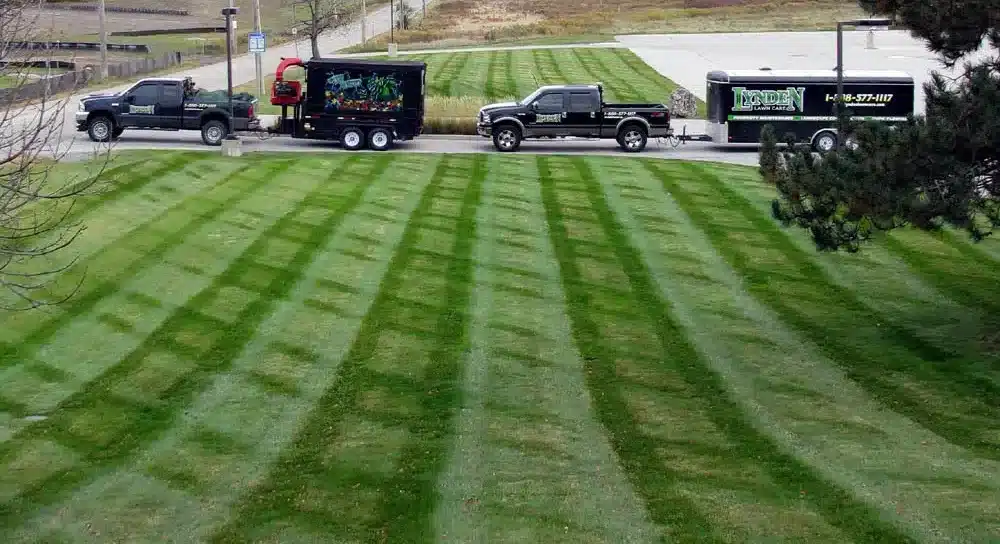
Property Maintenance
Specializing in full-service property maintenance, we offer lawn mowing, garden care, seasonal cleanups, and comprehensive landscape upkeep. Our commitment to communication, consistency and detail ensures your property maintains a polished, professional appearance in every season.
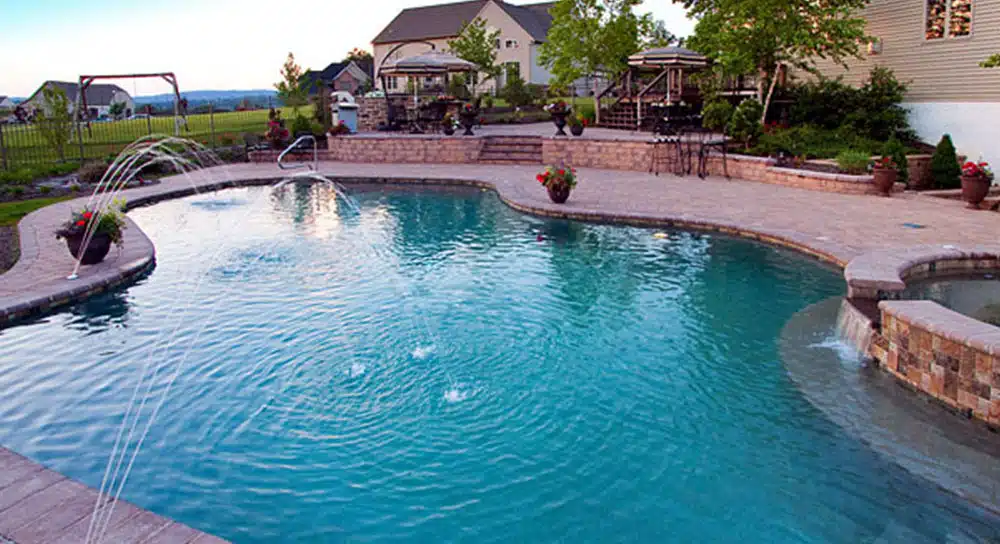
Landscape Enhancements
Our landscape enhancement services are designed to complement ongoing property maintenance by adding value and visual appeal. Whether it’s refreshing garden beds, installing mulch, or new garden bed design, we focus on

Snow & Ice Management
Ensure your property remains safe and fully accessible during winter with our comprehensive snow and ice management services. From precise plowing to strategic de-icing applications, our team proactively monitors conditions and responds quickly to maintain a clean, safe, and professional environment.
What Our Customers Are Saying!

Contact Us
If you would like a quote or to speak with someone about your lawn care and/or snow removal needs please call or fill out the quote below and we will get back to as soon as possible.
Contact
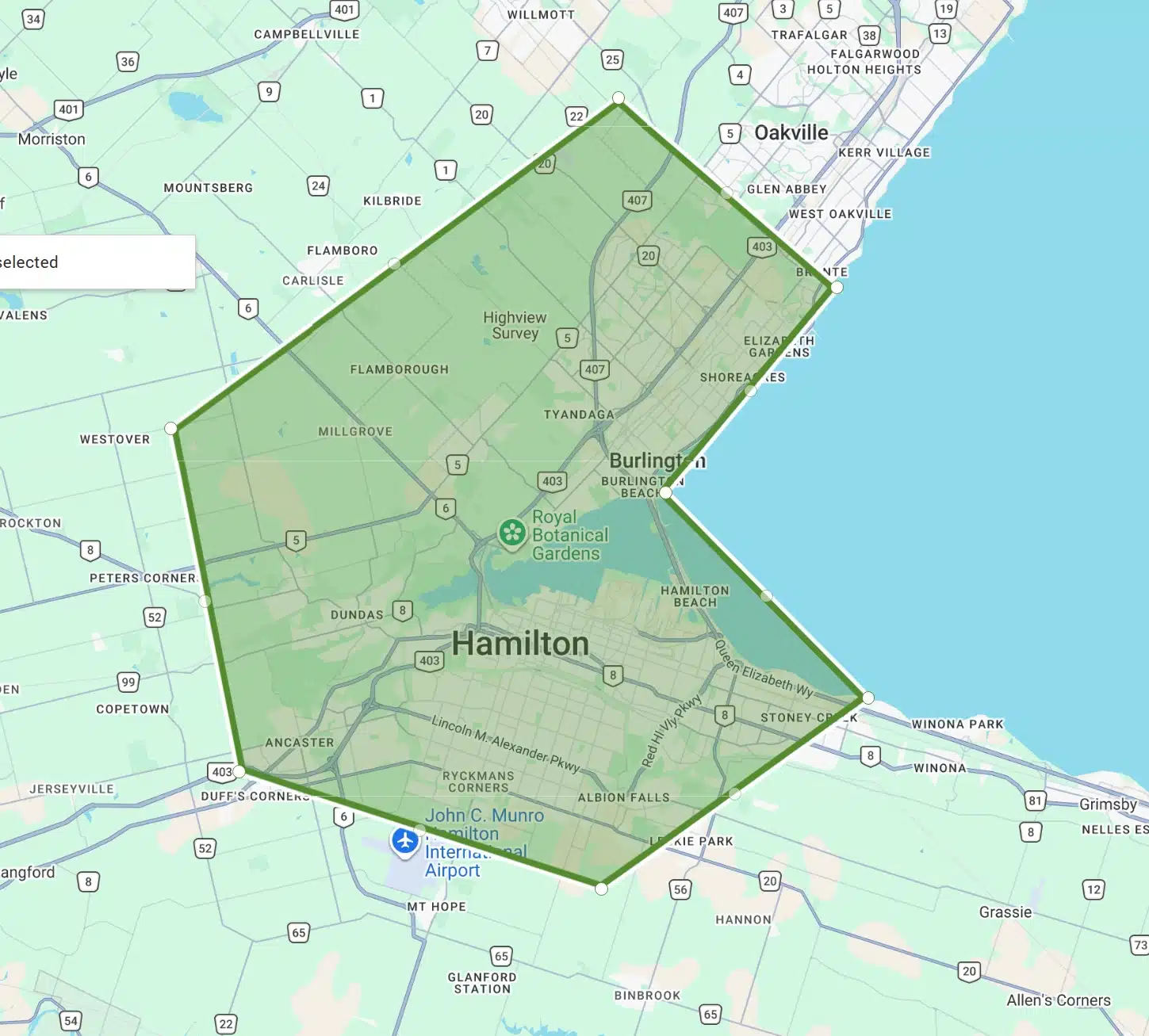
Service Area
OFFICE ADDRESS
(Inside Al’s Lawnmower)
1421 Grahams Lane
Burlington, ON Canada
L7S 1W4
PHONE
MAILING ADDRESS
PO Box 1390
Waterdown, ON Canada
L0R 2H0