
Lynden Lawn Care
20 Years of landscaping experience.
Welcome to Lynden Lawn Care
Lynden Lawn Care has been serving residential and commercial clients for over 20 years with dependable landscaping and property maintenance services. Built on real-world experience and a strong work ethic, the company takes pride in delivering consistent results and paying attention to the details that matter. Their team continues to provide reliable lawn care, landscape services, and seasonal upkeep to ensure every property stays well-maintained throughout the year.
Sustainable Landscaping Ontario
Sustainable landscaping in Ontario means designing and maintaining outdoor spaces in ways that protect the environment, conserve resources, and reduce your property's ecological footprint-while keeping your grounds looking professional year-round. Lynden Lawn Care has spent over 20 years helping property managers, condominium corporations, and homeowners across Hamilton, Burlington, and Oakville transition to practices that work with nature instead of against it.
If you manage a commercial property in Hamilton or maintain a residential yard in Oakville, you've probably noticed how traditional lawn care can feel wasteful: constant chemical applications, excessive watering, frequent mowing, and seasonal maintenance that doesn't account for what your soil and landscape actually need. There's a better way. This guide walks you through five practical steps to shift your approach to sustainable landscaping Ontario-reducing costs, supporting local ecosystems, and creating a landscape that thrives on its own terms.
Step 1: Assess Your Soil and Existing Landscape
Before you change anything, understand what you're working with. Start by testing your soil composition, pH level, and nutrient content. You can order a soil test kit from local agricultural extension services or work with a professional property maintenance contractor who can analyze your site. This reveals what your soil actually contains and what it needs-information that stops you from adding fertilizer and amendments you don't require. In Burlington and Hamilton areas, many properties have similar soil profiles shaped by regional geology, but every yard is unique.
Walk your property and document what's already growing. Note which plants thrive, which struggle, and which areas stay wet or dry. Photograph problem spots-bare patches, compacted areas, drainage issues. This baseline becomes your reference point. professional property maintenance companies like Lynden Lawn Care use this data to design solutions that work with your landscape's natural strengths rather than fighting against them.
Step 2: Choose Native Plants and Reduce Monoculture Lawns
Native plants are the foundation of sustainable landscaping Ontario because they've evolved to thrive in this climate, require less water, fertilizer, and pest management, and support local pollinators and wildlife. Replace portions of uniform grass with native shrubs, perennials, and groundcovers suited to Ontario's growing conditions. Species like native black-eyed Susan, coneflower, serviceberry, and wild bergamot perform beautifully in residential and commercial settings across the Greater Toronto Area.
You don't need to remove your entire lawn at once. Start with one area-a planting bed, a corner that's hard to mow, or a slope prone to erosion. Reduce monoculture by incorporating diversity: layered plantings that include shrubs, perennials, and groundcovers create visual interest while reducing maintenance demands. Lynden Lawn Care's landscape enhancements help property owners design these transitions thoughtfully, ensuring your outdoor space remains attractive and functional while becoming more self-sufficient.
Step 3: Implement Smart Watering and Mulching Practices
Water conservation is critical to sustainable landscaping in Ontario, especially during dry periods. Switch to drip irrigation or soaker hoses that deliver water directly to plant roots instead of spray systems that lose water to evaporation. Water in early morning or evening, when temperatures are lower and plants absorb more efficiently. Aim for deep, infrequent watering rather than frequent shallow sprinkling-this encourages deeper root systems that make plants more drought-resistant.
Apply 2 to 4 inches of organic mulch around plants and trees to retain soil moisture, regulate temperature, suppress weeds, and slowly decompose into soil-enriching organic matter. Use natural mulch materials like shredded wood, compost, or bark rather than plastic alternatives. Proper mulching can reduce watering needs by 50 percent or more, directly lowering both water bills and the effort required to maintain your property. Professional property maintenance experts can design and install mulching systems that work with your property's drainage and sun exposure.
Step 4: Shift to Organic Turf Care and Natural Fertilizer
Synthetic fertilizers and chemical herbicides damage soil health, harm beneficial microbes, and contaminate groundwater-especially problematic in densely developed areas like Hamilton and Oakville. Move toward organic turf care using compost, natural fertilizer blends, and biological pest management. Feed your soil, not just your plants: organic materials build soil structure, increase microbial life, and create a living ecosystem beneath the surface.
Have your lawn aerated annually to reduce compaction, improve drainage, and allow organic amendments to reach root zones. Overseed with hardy varieties suited to partial shade or high traffic as needed. Accept some weeds and clover-they're indicators of soil life and break up compacted earth naturally. Lynden Lawn Care's fertilizer and turf care services focus on building long-term soil health through sustainable practices rather than quick chemical fixes that require constant reapplication.
Step 5: Plan for Seasonal Maintenance and Year-Round Protection
Sustainable landscaping Ontario requires thinking beyond summer. Plan your seasonal property upkeep to protect your landscape through all four seasons. In fall, leave leaves on planting beds where they decompose into mulch and feed soil organisms-you don't need to rake everything away. Spring should focus on renewal: prune dead branches, refresh mulch, and prepare soil for growth. Winter brings different challenges in the Greater Toronto Area, and snow and ice management must be handled responsibly.
Work with a professional property maintenance partner experienced in year-round care. Sustainable snow and ice management uses environmentally safer products and techniques rather than heavy salt applications, protecting plants, soil, and water systems. Schedule regular maintenance visits to catch problems early, adjust watering based on rainfall, and ensure your sustainable practices stay on track. Consistent communication with your maintenance provider means your property stays healthy without reactive emergency treatments.
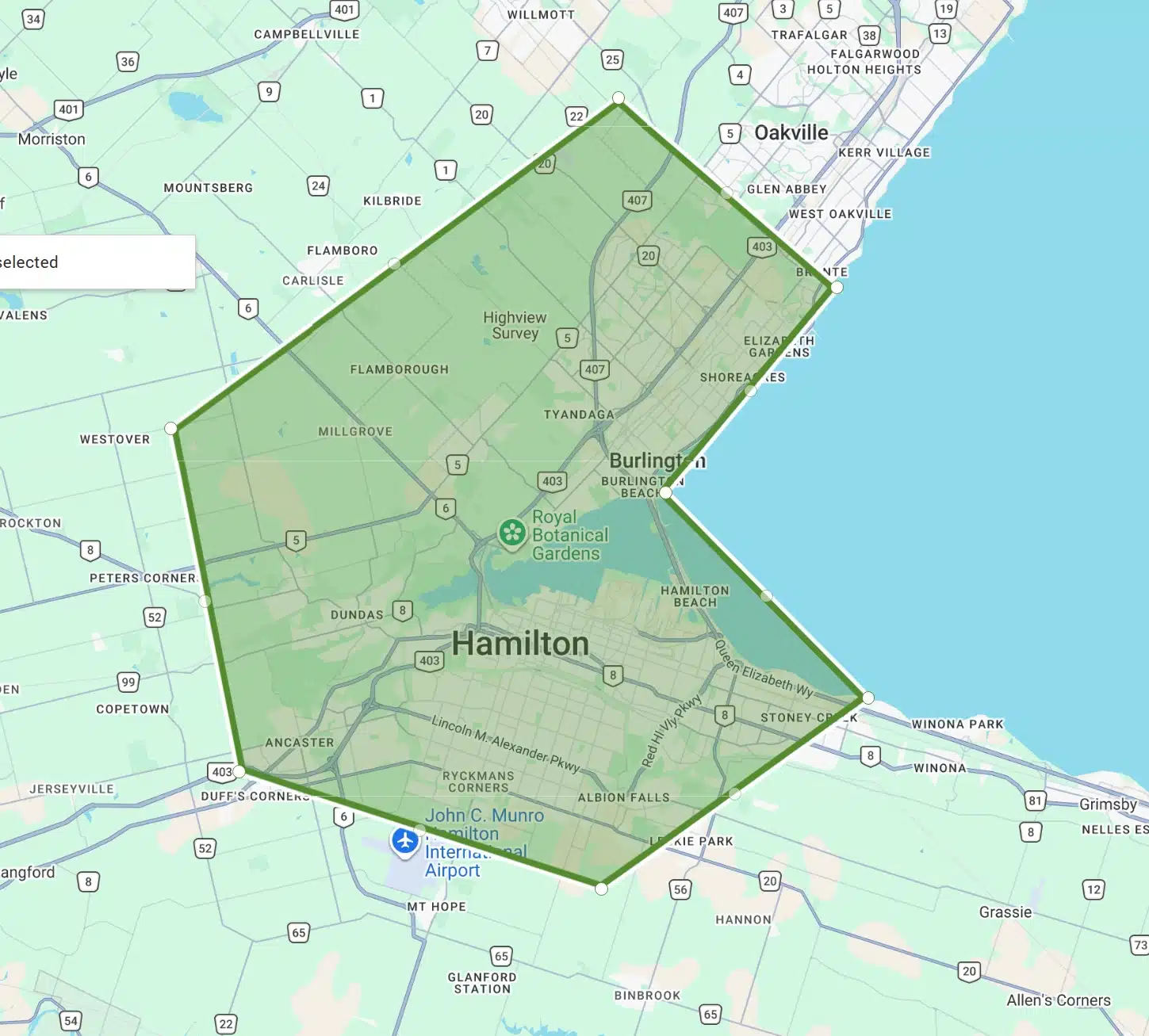
Transitioning to sustainable landscaping in Ontario doesn't happen overnight, and you don't have to do it alone. Lynden Lawn Care works with residential homeowners and commercial property managers across Hamilton, Burlington, Oakville, and beyond to design and implement landscaping practices that reduce environmental impact while keeping properties attractive and well-maintained. If you're ready to talk about how sustainable practices could work for your property, reach out to discuss your specific needs and goals.
Frequently Asked Questions
What are native plants for sustainable landscaping in Ontario?
Native plants are species that evolved naturally in Ontario's climate and soil conditions, such as black-eyed Susan, coneflower, serviceberry, and wild bergamot. They require less water, fertilizer, and pest control than non-native ornamentals because they're already adapted to local conditions. Native plantings also support pollinators, birds, and other wildlife essential to healthy ecosystems.
How much water can sustainable landscaping practices save?
Properties that combine drip irrigation, organic mulching, and native plantings typically reduce water consumption by 30 to 50 percent compared to traditional lawns with spray systems. The exact savings depend on your current practices, soil type, and plant selections, but even modest changes like proper mulching alone can cut watering needs in half.
Is sustainable landscaping more expensive in Hamilton?
Initial costs for native plantings and irrigation upgrades may be higher than conventional approaches, but long-term expenses-water bills, fertilizer, frequent mowing, and pest treatments-drop significantly. Many property owners recoup their investment within 2 to 3 years through lower maintenance and utility costs.
Can I still have a neat lawn with sustainable landscaping practices?
Yes. Sustainable landscaping produces attractive, well-maintained properties through smart design and regular professional care. Reduced lawn areas, layered plantings, and native species create visual interest while being easier to maintain. Professional property maintenance services ensure your property looks polished while being environmentally responsible.
What's the best time to start sustainable landscaping in Oakville?
Spring and fall are ideal for planting and soil work, but you can begin with a soil assessment and planning at any time. Start with one small area, learn what works, and expand gradually. Professional guidance helps you sequence changes in a way that works with your property's natural cycles.
How does sustainable snow and ice management work in Ontario winters?
Sustainable methods use alternatives to road salt-such as magnesium chloride or sand-based products-and focus on efficient removal rather than chemical treatment. These products are gentler on plants, soil, and water systems while still keeping properties safe. Professional application ensures effective results without environmental harm.
Our Services
Property Maintenance
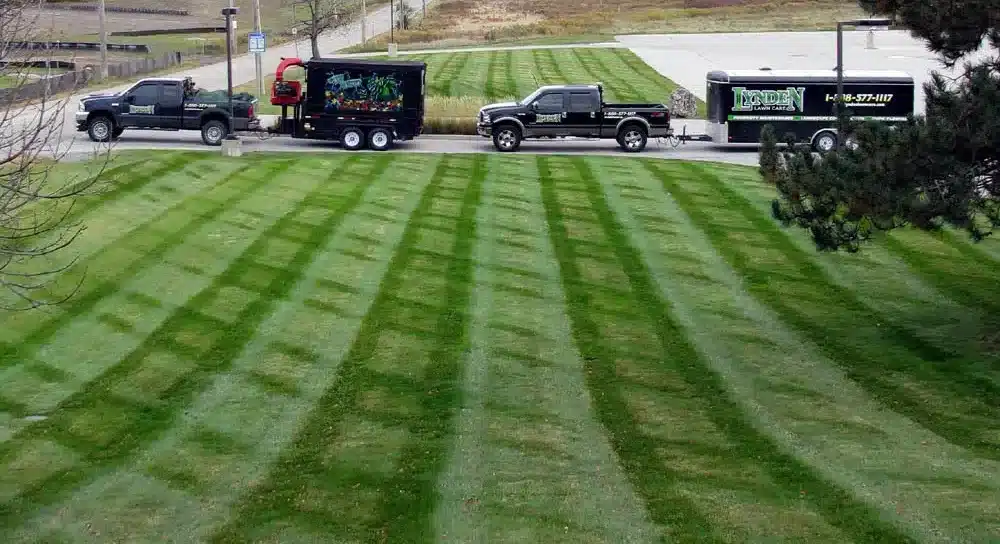
Specializing in full-service property maintenance, we offer lawn mowing, garden care, seasonal cleanups, and comprehensive landscape upkeep. Our commitment to communication, consistency and detail ensures your property maintains a polished, professional appearance in every season.
Landscape Enhancements
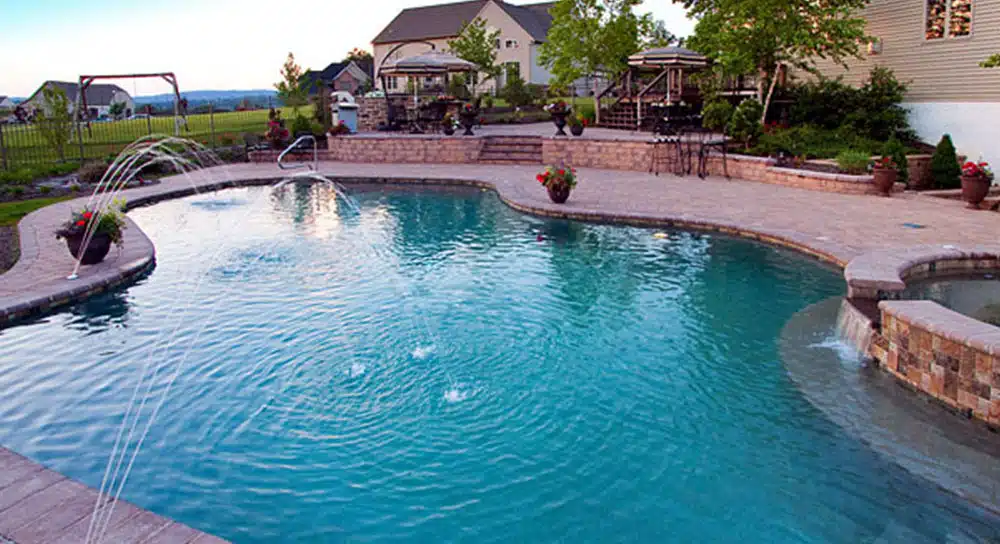
Our landscape enhancement services are designed to complement ongoing property maintenance by adding value and visual appeal. Whether it’s refreshing garden beds, installing mulch, or new garden bed design, we focus on

Snow & Ice Management
Ensure your property remains safe and fully accessible during winter with our comprehensive snow and ice management services. From precise plowing to strategic de-icing applications, our team proactively monitors conditions and responds quickly to maintain a clean, safe, and professional environment.
What Our Customers Are Saying!

Contact Us
If you would like a quote or to speak with someone about your lawn care and/or snow removal needs please call or fill out the quote below and we will get back to as soon as possible.
Contact
Service Area
OFFICE ADDRESS
(Inside Al’s Lawnmower)
1421 Grahams Lane
Burlington, ON Canada
L7S 1W4
PHONE
MAILING ADDRESS
PO Box 1390
Waterdown, ON Canada
L0R 2H0